






















Protection des Écoregions de Miombo au Congo

Audrey Gaughran
Executive Director, SOMO
Combating corporate power for a better future for all
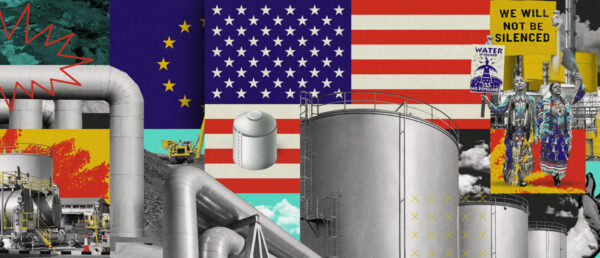
A lot happened in 2025, and very little of it was good. For us at SOMO, with a mission to combat corporate power, the defining feature of the year was the significant expansion of corporate power. It was evident when the ‘tech bros’ flocked to Trump and abandoned their already frail safeguarding tools. It was hugely evident when the oil and gas sector, emboldened by the US administration’s ‘drill, baby, drill’ policy, sloughed off the thin PR veneer of their caring about climate crisis. In sector after sector, multinational corporations (MNCs) seized on the permissive environment radiating out from the US to blatantly pursue their core goal – the relentless extraction of wealth from people and the environment for shareholders.
At SOMO, our work got harder. The external environment for our agenda, never friendly, is now openly hostile. In common with many other civil society organisations, our funding dropped substantially in 2025, and we had to downsize our organisation, losing amazing, committed colleagues in the process.
But 2025 did something else. It fundamentally strengthened our commitment to combating corporate power. If ever we had underestimated our task (and I don’t think we did), watching big corporations shape-shift and swiftly adapt to profit from the geopolitical changes provided a moment of clarity: MNCs derive their power from an economic system designed for, and often by, them. Working to restrain corporate power means working for radical change to the global economy. This is the core of SOMO’s work.
In 2025, with hundreds of other organisations, we developed the Principles for Responsible Divestment from Fossil Fuel and used them to modify policy, make polluters pay before they sell up, and put the costs of decommissioning of fossil fuel infrastructure front and centre.
Our work on investor-state dispute settlement (ISDS), one of the critical pieces of global economic architecture established for MNCs, saw progress as more countries woke up to the risks of having to pay companies when states enact climate policy.
Our investigation into Big Tech lobbying (published in 2026) was eye-opening. No one doubted these companies lobby lawmakers heavily. But their ability to weaponise their own platforms to defeat government policy on issues such as online safety or combating misinformation shows just how out-of-control their power is.
SOMO’s strategy: working for radical economic change
In 2025, we reviewed our strategy: at this critical inflection point, we recognise that radical economic systems change is vital.
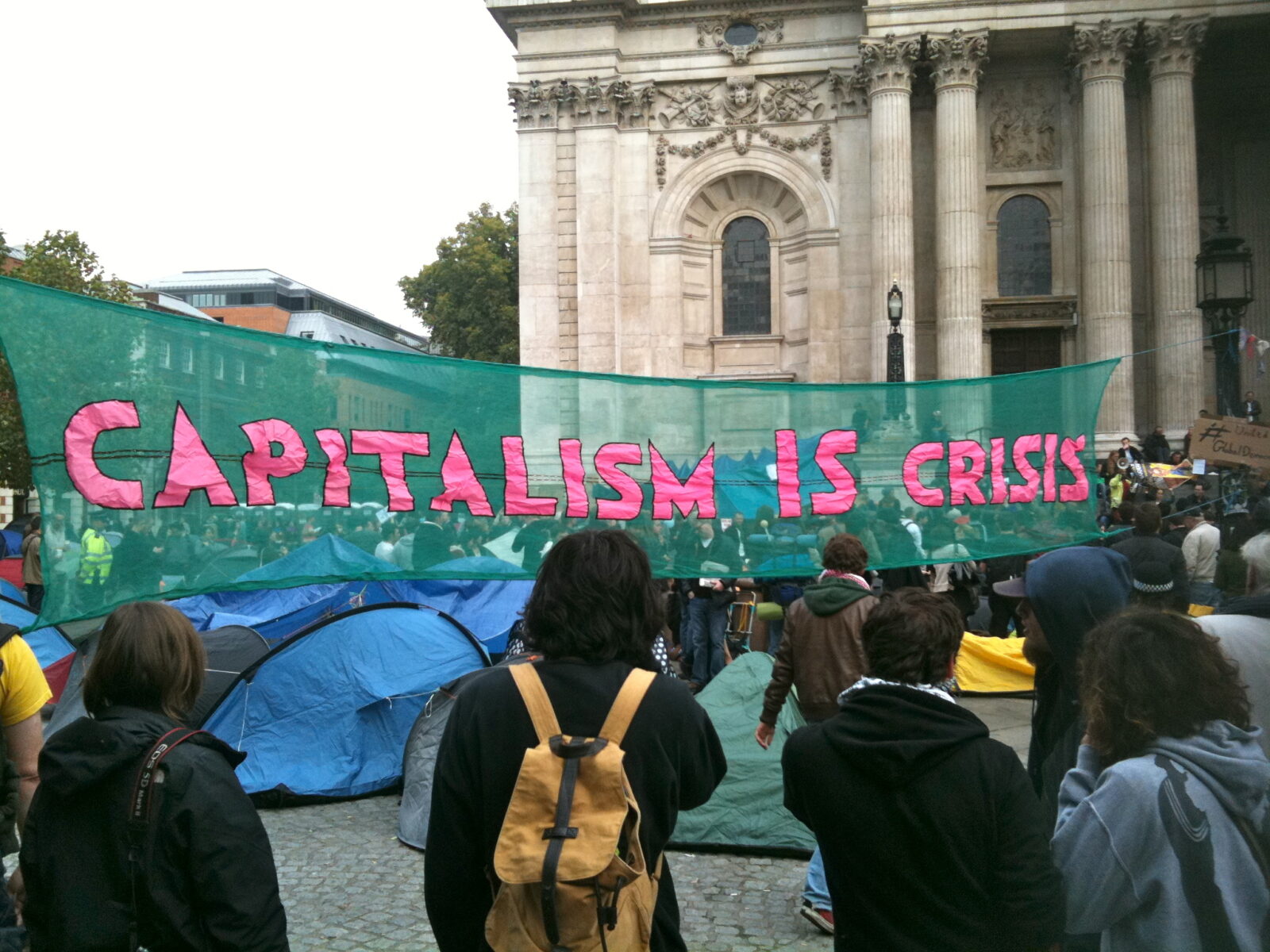
The dominant economic system globally is capitalism. We need to stop thinking it can be controlled or made consistent with the goals of justice and equality. The trajectory of capitalism is inexorably towards the concentration of wealth and power. It may be temporarily restrained, but it has, historically, taken world wars to do so. The long-term course of capitalism is clear: growth, always. At all costs. And the costs are huge.
Working with allies, we challenged ourselves to confront the failures of the past. One of these has been our failure to recognise that meaningful change will hurt. Capitalism has wrapped its tentacles so completely around us all that any efforts to cut free will hurt millions, possibly billions, of people. The livelihoods and pensions of people around the world are tied up in the ‘maximising shareholder value’ business model. Unless there are strong safety nets and a clear plan, changing the system will harm a lot of people.
We will not succeed in birthing a new economic paradigm by debunking myths (of which there are many) whilst ignoring realities. We need to do far more work on the real alternatives and – critically – the pathways towards them. If we can do so, then we may persuade more people to support our agenda. The risks (perceived and real) of overhauling the system are part of what holds back broader public support for radical economic change.
Another challenge we confronted is the tendency to work piecemeal. Overwhelmed by the complex and interconnected nature of the global economic system, we end up breaking it down into manageable areas of work. However, capitalism is an interlocking system of oppression. It is not a set of separate policy arenas, and what one country does affects others. Nowhere is this clearer than in relation to economic decolonisation. Capitalism was and continues to be deeply racialised and maintains an unequal exchange and drain of resources and labour from the Global South to the Global North.
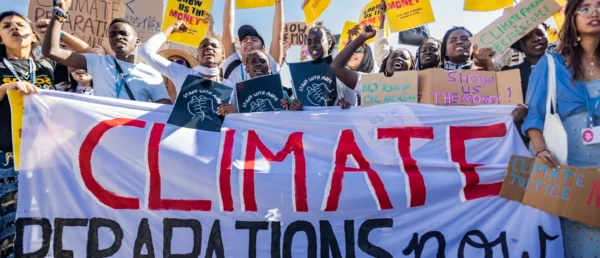
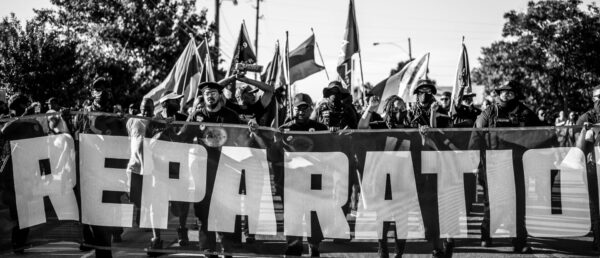
The work of building strong proposals for change must be done with the grassroots social movements that have been at the forefront of the fight for economic justice and against capitalism for decades. SOMO’s history here is strong. Working in partnerships and alliances is in our DNA. In 2025, this was evident in our work to support the reparations movement demanding restitution from oil and coal companies, and in the ongoing work of our flagship initiative, The Counter: a free global helpdesk supporting hundreds of activists, organisations and journalists around the world.
Challenging capitalism directly has long been dismissed by many as the naïve fantasy of fringe actors whose grasp of reality is questionable. Meanwhile, capitalism itself has successfully been framed as meaning freedom and democracy, efficiency and logical use of resources. This is storytelling so powerful that all the (ample) evidence to the contrary is simply ignored. But if we are to have any hope of achieving a new economic paradigm, one that serves society and nature in all their diversity, we need to be clear that we are working to end, or rather, transcend capitalism. Everything else is just nibbling around the edges, fiddling while the world burns.
2025 fundamentally strengthened our commitment to combating corporate power.
Our work
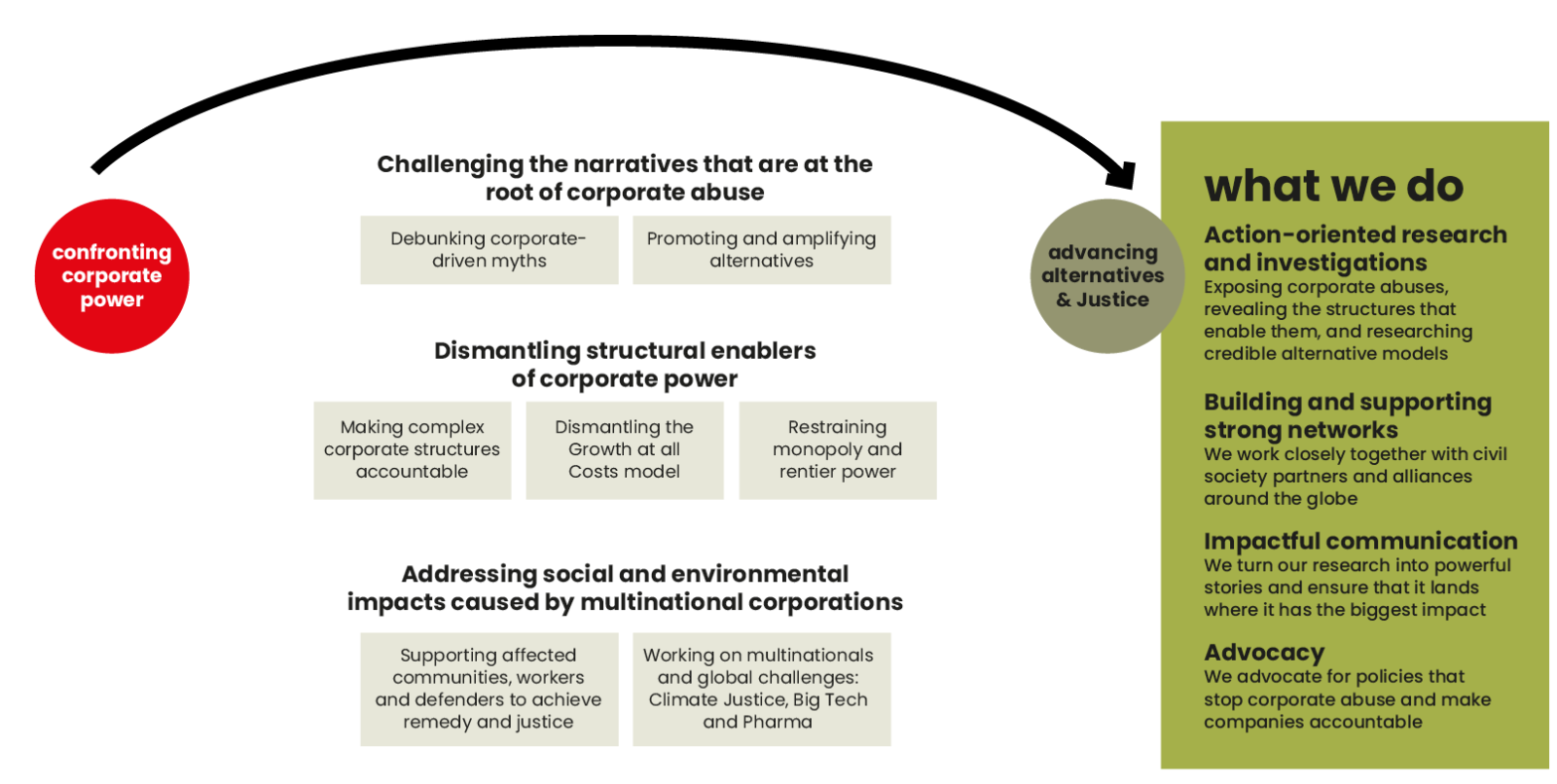
Our strategy in a nutshell

Deep and sustained collaborations for change
SOMO never works alone. Partnerships and alliance-building are in our DNA. The multinational corporate problem cannot, by definition, be solved by any single organisation in a particular country. It demands cross-jurisdictional cooperation. With our allies, we will continue to advance norms and standards and support those seeking remedy and accountability.
International networks and alliances not only confront corporate-driven injustices but also have the power to imagine and build an alternative future, one where the economy serves people and not the other way around. If we continue to join forces and build our collective strength, we can reach a tipping point and reset the global economy together. This hope and belief animates SOMO’s work and underpins our 2021-2025 strategy.

Exposing the corporate power behind watered-down EU sustainability laws
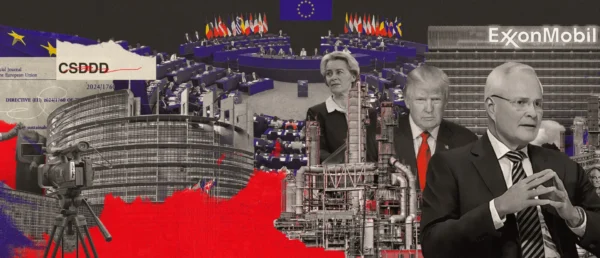
When the EU finally agreed on its landmark Corporate Sustainability Due Diligence Directive (CSDDD) in 2024, it was hailed as a breakthrough for corporate accountability. It soon became clear that wins in the current political climate can be easily reversed by corporate players with deep pockets. This set the stage for the EU’s “omnibus” deregulation rampage in 2025, resulting in an aggressive dismantling of safeguards driven by corporate lobbying.
This kind of corporate influence works best when it operates under the radar, and SOMO made it its mission to expose it. We started the year by launching the CSDDD datahub (externe link, opent in nieuw tabblad). This unique tool uncovers key data on corporate groups, subsidiaries, home countries, and sectors of companies expected to comply with the directive and was an instant hit with about 20,000 views from civil society organisations, journalists, government agencies, and more. The CSDDD datahub debunked claims by business lobby groups and EU President Ursula von der Leyen about the Directive’s supposed economic impact. We brought to light that these companies are not only highly profitable but have also increasingly paid exorbitant dividends to shareholders rather than investing in responsible business operations (externe link, opent in nieuw tabblad).
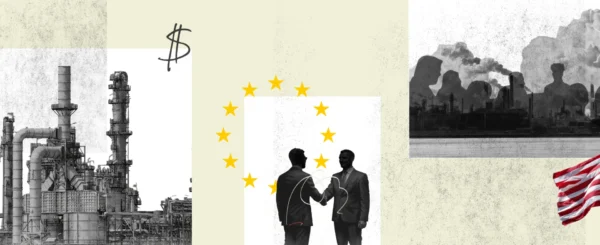
Soon after, we revealed the immense political power of US corporations over the EU, showing how EU institutions favoured the interests of Big Polluters over those of people and the planet. With their vast resources, companies like ExxonMobil (externe link, opent in nieuw tabblad) secured much greater access to policymakers than public interest advocates such as civil society groups and unions. With the help of leaked documents, we unveiled how a secretive alliance of eleven companies (externe link, opent in nieuw tabblad), including Chevron and ExxonMobil, worked under the guise of a “Competitiveness Roundtable” to get the CSDDD either scrapped or massively diluted.
Reclaiming power from corporate giants is not easy, but disrupting their lobbying is essential to begin resetting the system. A critical step in that direction is to break down the information barriers that shield multinationals from scrutiny. That is exactly what SOMO is doing.
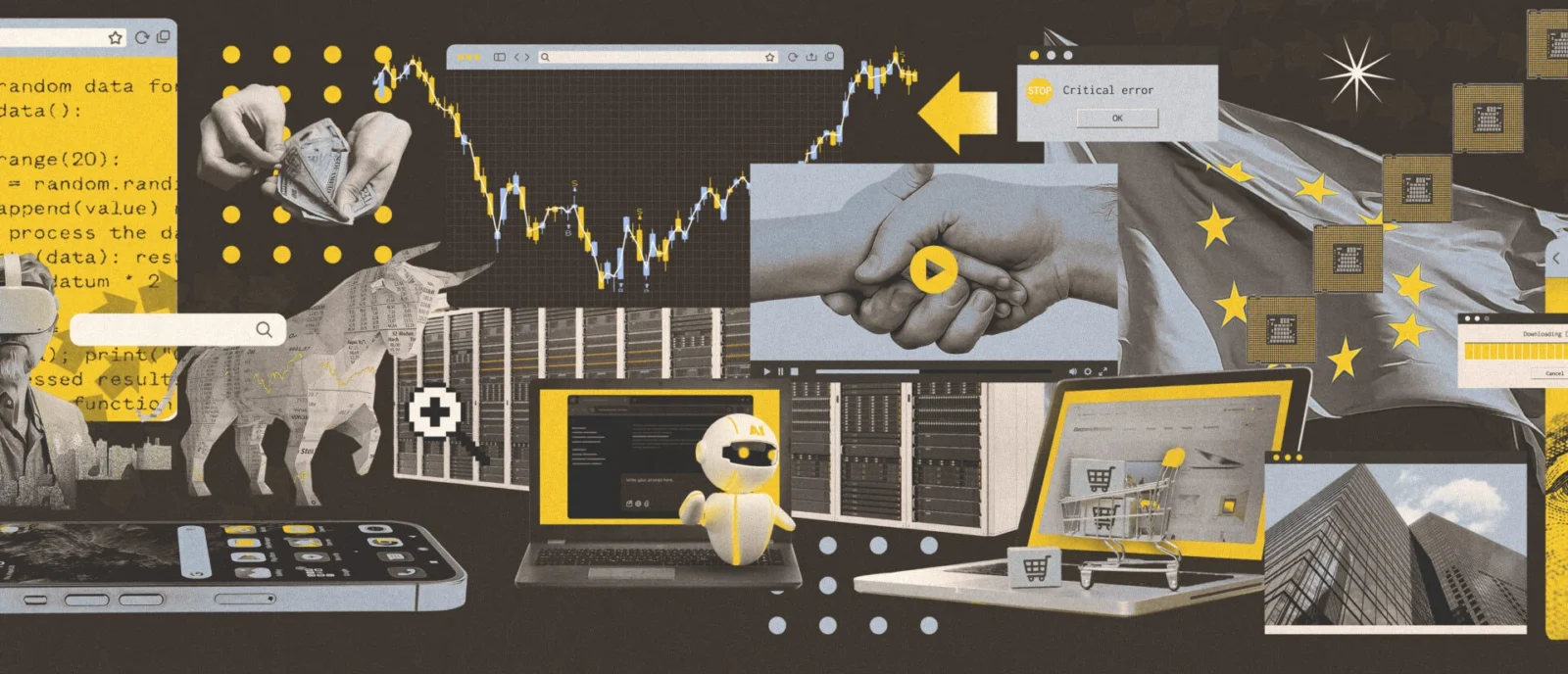

Holding the line on the EU’s digital rulebook against aggressive US Tech companies
2025 saw the election of Donald Trump for a second presidential term. Tech giants immediately lined up to support him. Collaborating with civil society organisations, trade unions, small businesses, and trade associations, we delivered a clear message to the European Commission: “Do not give in to US Big Tech bullying (externe link, opent in nieuw tabblad)”.
Our efforts helped establish a crucial counterbalance and ensured that enforcement of the Digital Markets Act (DMA) and competition policy persists, though slower and more timid than it should be. The European Commission largely adopted the recommendations made by civil society groups, including SOMO, to stop Big Tech-funded organisations and academics from participating in DMA workshops without disclosing their affiliations. This is a step towards limiting the impact of Big Tech’s hidden influence network. Our research (externe link, opent in nieuw tabblad) with the Corporate European Observatory and LobbyControl was also used by experts to counter attacks on the DMA from two Big Tech-funded academics in the US Congress. Exposing hidden corporate influence is especially important as US companies increasingly pressure the EU to undo its digital rulebook.
Raising the alarm about the big power grab in GenAI
There is an urgent need to scrutinise the Generative AI (GenAI) value chain in order to restrict tech giants’ ability to shape and dominate AI development. Our work in 2025 revealed how GenAI startups are highly dependent on Big Tech (externe link, opent in nieuw tabblad) for cloud services and chips. This dependency is especially risky as blind governmental support for so-called AI champions, through subsidies and deregulation, risks entrenching Big Tech dominance. Meanwhile, Big Tech companies made big moves to acquire AI start-ups (externe link, opent in nieuw tabblad). While national competition authorities in countries like the UK, France, Portugal, and the US have found signs of anticompetitive practices, they still are not addressing the role of Big Tech in the evolution of the AI market. SOMO’s research on GenAI was the basis of sustained engagement with European authorities on the blind spots in their approach.
Spotlighting tech mergers that threaten a diverse digital world
Digital Merger Watch (DMW) is a global initiative hosted and developed by SOMO. It aims to prevent harmful mergers and acquisitions (M&A) activity in the digital era. In its second year, DMW launched the Big Tech M&A Tracker (externe link, opent in nieuw tabblad) to expose Big Tech’s expanding monopoly power and the lack of merger control by competition authorities. This tracker houses a publicly accessible database that provides an overview of Big Tech companies and announced or completed acquisitions of other companies or their assets. Serving as a resource for civil society organisations, academics, lawyers, and journalists, the DMW database aims to increase transparency and enable public access to key M&A information. By building civil society’s capacity to monitor and challenge Big Tech, DMW aims to prevent harmful M&A activity and the expansion of Big Tech’s power in digital markets.
Such work is vital. An analysis by DMW in 2025 exposed how Big Tech was acquiring a new company every 11 days (externe link, opent in nieuw tabblad).
DMW and its global members also contributed to several public consultations, including those related to below-threshold mergers in France, competition policy changes in Mexico, digital platform regulation in Brazil, and the review of merger guidelines in the EU.
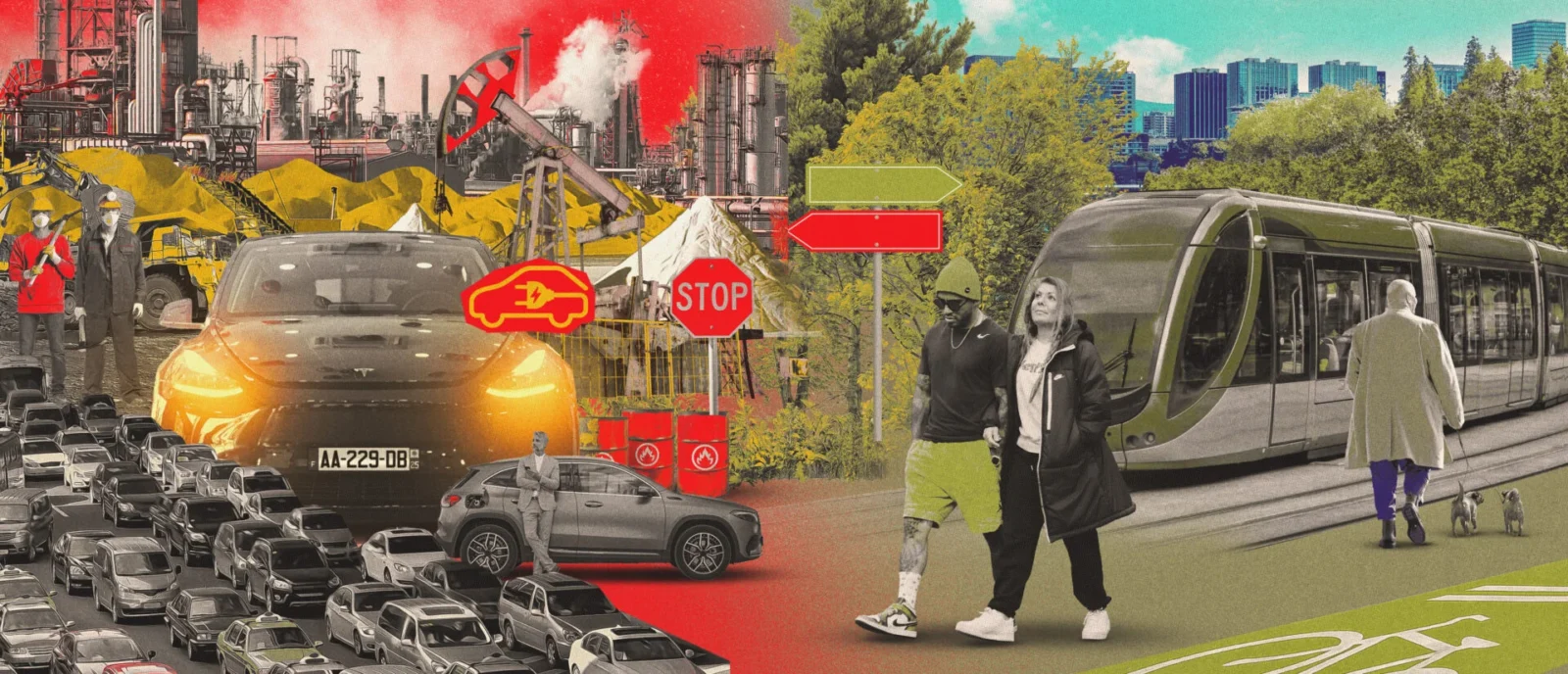

Placing material demand reduction at the centre of the Global North’s energy transition
The world is scrambling for access to and control over the minerals needed for the energy transition. This is driving a massive expansion of mining, and highly unequal outcomes, with rich countries and their multinational corporations (MNCs) dominating mineral supply chains.
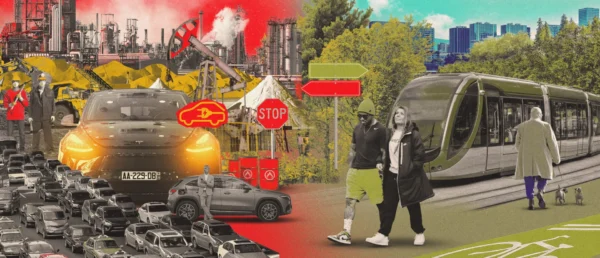
In 2025, SOMO’s work helped shift policy discussions on transition minerals from a narrow focus on supply and extraction towards a broader conversation on demand reduction, circularity, and systemic change, with a spotlight on the transport sector. Through our data analysis of Europe’s car industry (externe link, opent in nieuw tabblad), we exposed how this sector hoards funds and delays climate action. Economic and policy choices have prioritised industry profits while underinvesting in low carbon transport alternatives. The analysis and data visualisations were widely disseminated across civil society networks and strategically leveraged for key EU policy moments, including the Clean Industrial State Aid Framework (externe link, opent in nieuw tabblad) and the Industrial Action Plan (externe link, opent in nieuw tabblad) for the automotive sector. SOMO also contributed to the international civil society briefing “Strategic projects for whom? Challenges and local realities of the European Union’s strategic mineral projects (externe link, opent in nieuw tabblad)”.
These efforts contributed to tangible policy traction at both the EU and multilateral levels. While binding EU reduction targets remain politically contested, demand side approaches – such as material efficiency, circularity, and value chain transformation – are now reflected in major policy developments. These include the European Commission’s commitment to double the EU circular material use rate by 2030 (externe link, opent in nieuw tabblad), a UN resolution (externe link, opent in nieuw tabblad) on environmentally sound management of minerals and metals, and the launch of the UN Secretary-General’s Task Force on Critical Energy Transition Minerals (externe link, opent in nieuw tabblad), which includes a dedicated cluster on material efficiency and circularity.
Within EU processes, these ideas have also entered implementation debates around the Critical Raw Materials Act (externe link, opent in nieuw tabblad) and discussions at the EU Raw Materials Week. Alongside this policy impact, our work helped consolidate a structured civil society coalition capable of sustained, strategic engagement on mineral governance.
Together with our partners, we remain committed to ensuring that the energy transition does not reproduce extractivist models, but instead prioritises material demand reduction in the Global North while supporting Global South countries in pursuing their own just and sustainable energy transitions.


Reframing ISDS as a growing threat to phasing out fossil fuels
As some governments try to take steps to phase out fossil fuels, address environmental harm, and protect affected communities, they are increasingly confronted with legal claims from corporations seeking to protect their profits. Embedded in thousands of investment treaties and contracts, investor-state dispute settlement (ISDS) allows companies to bypass domestic courts and sue states before private arbitration, sometimes for billions of dollars in compensation.
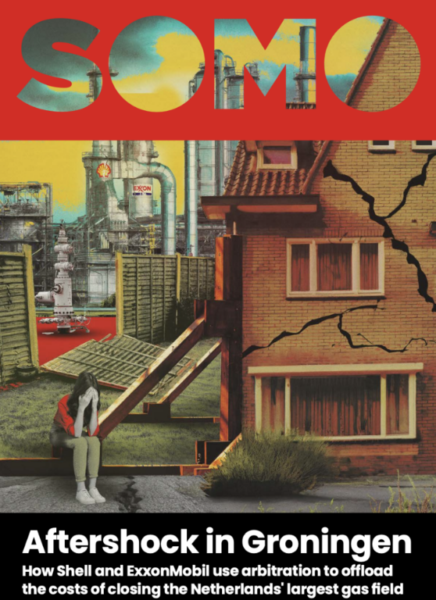
The struggle over the closure of the Groningen gas field in the Netherlands offers a powerful and alarming case in point. SOMO exposed Shell and ExxonMobil’s use of ISDS (externe link, opent in nieuw tabblad) to contest liability for decades of gas extraction damage in Groningen. This helped reframe the debates around the closure of the gas field from technical legal claims to issues of corporate accountability, environmental justice, and reparations for affected communities. In 2025, parliamentary motions inspired directly by our reporting were tabled by the Socialist Party and the Party for the Animals, calling on the Dutch government to terminate treaties with ISDS provisions, not to sign any new agreements, ensure investment disputes are handled by domestic courts, and end arbitration clauses in corporate contracts. Although the motions were rejected, they mark a significant step towards turning our research into concrete parliamentary action and becoming part of the national debate on this subject.
SOMO also helped shift the debate beyond the Netherlands by cohosting a three day civil society forum in Accra, bringing together African and European organisations to align strategies for investment reforms that support climate action and sustainable development. We also colaunched 10isdsstories.org to expose the real world harms of ISDS through powerful, accessible case studies, and cohosted a high level event at the European Parliament spotlighting the growing public policy risks of investment arbitration, from undermining democratic decision making to threatening EU sanctions and national security.
ISDS complicates urgent policy action, shifts financial risks onto the public, and undermines democratic accountability. SOMO, together with partners, is on a mission to end ISDS and remove a major obstacle to phasing out fossil fuels.
Supporting communities to fight false climate solutions
In 2025, we strengthened resistance to false climate solutions by exposing the harms of carbon offsetting and supporting communities opposing these projects. At the start of the year, we launched a petition (externe link, opent in nieuw tabblad) highlighting plans of the Dutch Development Bank to expand investments in industrial plantations, which are often used as carbon offset projects. The petition and joint advocacy efforts with our partners helped secure a meeting with the Dutch Ministry of Foreign Affairs to raise concerns and challenge the Bank’s further promotion of carbon offsets. Throughout the year, we also published a series of articles that discredited (externe link, opent in nieuw tabblad) the assumptions underlying data used by the offsets industry to legitimise its expansion. Widely shared across civil society networks, these publications strengthened scrutiny of carbon offsets among policymakers and helped dismantle the misleading narratives promoted by the offset industry.
Alongside research and advocacy, we worked directly with partners and communities to challenge harmful projects and strengthen collective action. Research on carbon capture and storage (CCS) (externe link, opent in nieuw tabblad) and hydrogen projects in the Port of Rotterdam helped position our work within emerging debates on false solutions to the climate crisis and led to the formation of a new coalition of organisations and activists from countries around the North Sea that are using their ports as hubs for CCS technology. The network is currently developing a collective strategy to oppose CCS in the North Sea, as this area is central to the industry’s plans for carbon storage.
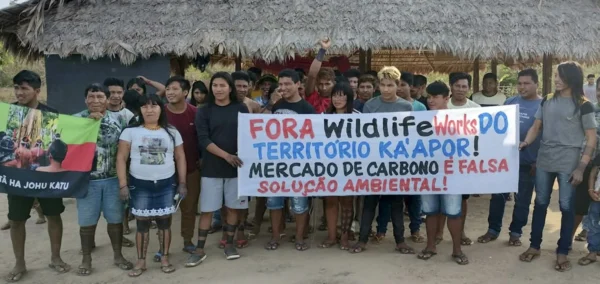
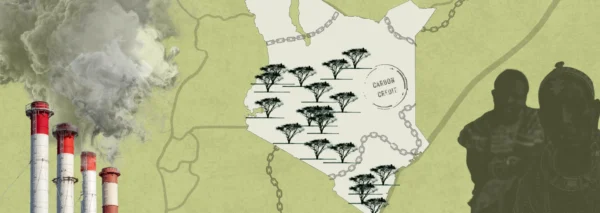
Our strategic litigation team supported a major legal win in June 2025 by successfully halting a carbon offset project (externe link, opent in nieuw tabblad) in the Ka’apor territory of Brazil. In collaboration with organisations including Oxfam and the Huairou Commission, SOMO also supported communities in Kenya affected by carbon offset schemes. Through webinars, international workshops, and a full day training session with smallholder farmers in northern Kenya, we helped raise awareness of the long-term implications of offset contracts for land rights, autonomy, and gender equity, while strengthening networks among farmers to collectively respond to and resist these projects. As a follow up, in December, we published an analysis showing the vast amount of land in Kenya under the voluntary carbon market (externe link, opent in nieuw tabblad), much of it controlled by actors from the Global North.
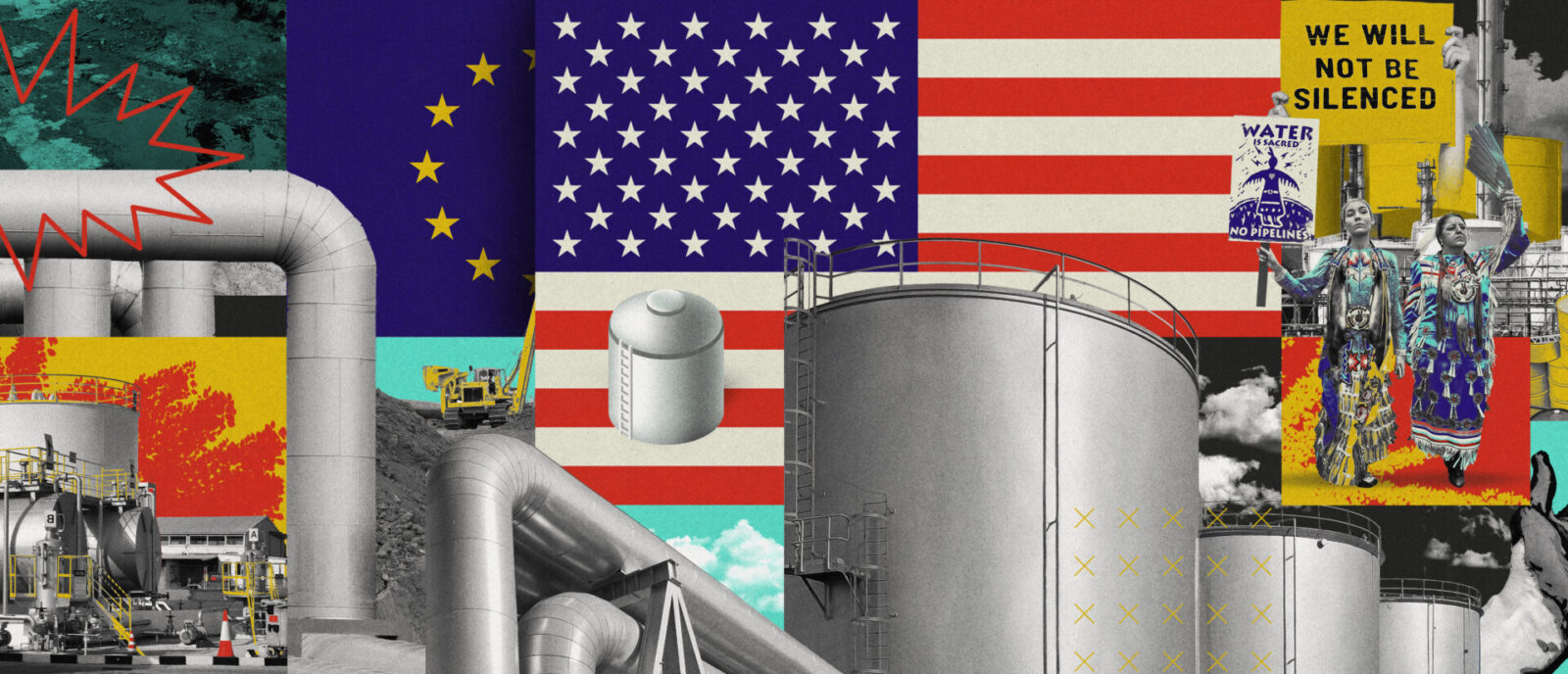

Advancing responsible divestment from fossil fuels
The fossil fuel industry must end. A critical issue for justice in the energy transition is not only stopping oil, gas, and coal extraction, but also how we do so. Irresponsible divestment by fossil fuel companies can actually exacerbate climate impacts and lock in human rights and environmental abuses.
In 2025, together with our partners, we achieved important outcomes in combating irresponsible fossil fuel divestment through strategic litigation. In August, Dutch authorities formally accepted a complaint against European logistics companies, filed by Colombian communities affected by “blood coal” mining (externe link, opent in nieuw tabblad). Supported by SOMO and PAX, the communities seek to force the companies to divest in a responsible manner that ensures a remedy for victims.
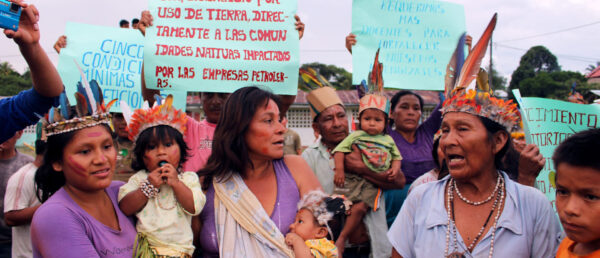
In September 2025, the Dutch National Contact Point (an official body linked to the Organisation for Economic Co-operation and Development (OECD) Guidelines for Multinational Enterprises) ruled that oil company Pluspetrol had breached the OECD Guidelines (externe link, opent in nieuw tabblad) by irresponsibly exiting oil operations in the Peruvian Amazon. The decision means that Pluspetrol will face material consequences such as being barred from receiving Dutch government trade support, subsidies, export credit insurance, and public procurement contracts.
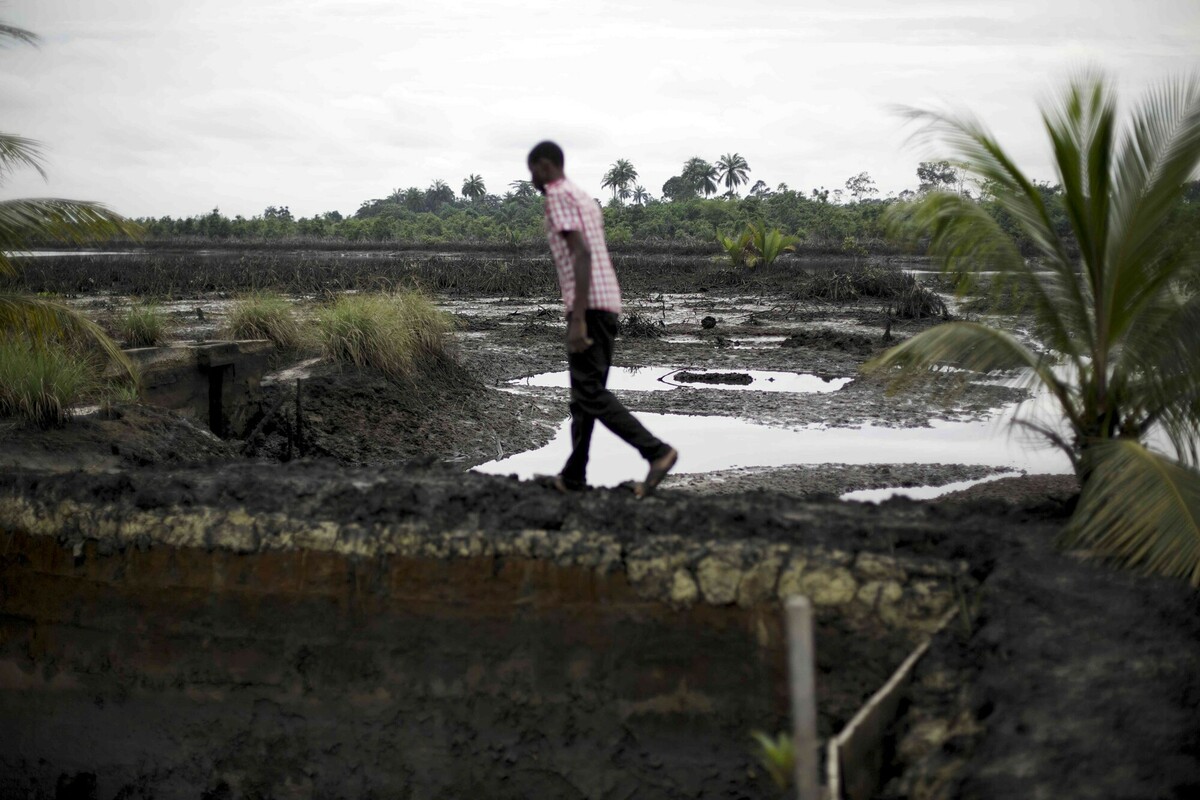
Working with partners in Nigeria, we continued to support efforts to secure legal remedies for communities affected by the irresponsible divestment of major oil companies.
Beyond fossil fuels: combating irresponsible divestment in the tech and hydropower sectors
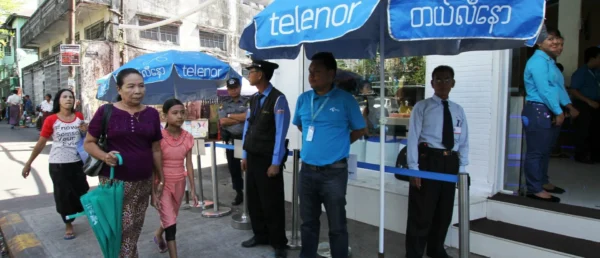
The issue of (ir)responsible divestment extends beyond the fossil fuel sector, and 2025 also saw SOMO and our partners achieve important victories in cases in the tech and hydropower sectors. In a landmark case about corporate control over sensitive data, Norwegian authorities ruled in December that telecoms company Telenor had violated human rights standards (externe link, opent in nieuw tabblad) when it irresponsibly exited Myanmar following the 2021 coup by selling access to sensitive data on its 18 million customers to a company closely linked to the violent military junta. The ruling sets the stage for a large class action lawsuit concerning the company’s sharing of customer data, which we will pursue in 2026.
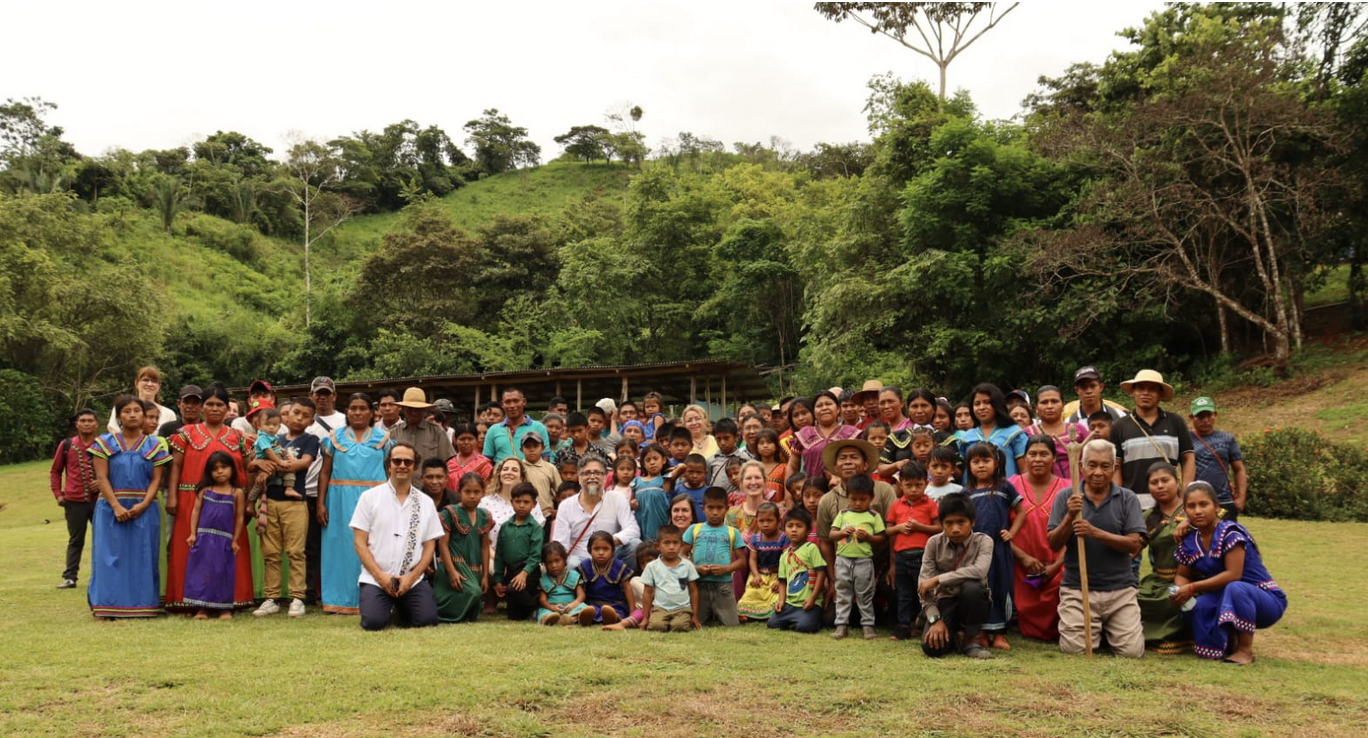
In Panama, a June 2025 agreement between four Indigenous Ngäbe communities (externe link, opent in nieuw tabblad) affected by the Barro Blanco hydroelectric project and the Dutch and German development banks that had supported it ended a 15-year-long struggle for a measure of justice. SOMO and Both ENDS supported the communities in dealing with the banks. The Ngäbe communities will receive remediation in the form of community development projects and new livelihood opportunities, and accountability from the banks, which have publicly apologised for their role in the harms suffered by Ngäbe people.
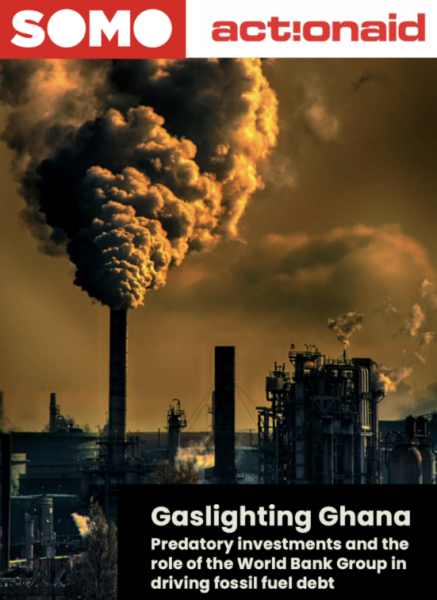
SOMO’s work also exposed how irresponsible divestment can begin at the point of investment. Fossil fuel debt is a key issue for new producer countries. SOMO worked with partners in Ghana (externe link, opent in nieuw tabblad) to show how investment in oil and gas, backed by the World Bank, is underpinned by policies that favour foreign investors and undermine Ghana’s economic and energy future. This work was used by partners in their campaigns to force the government to disclose contracts with companies.
Drawing on these and other cases, and working with partners from Africa and Latin America, SOMO helped to establish the International Principles for Responsible Divestment from Fossil Fuels. The Principles were soft-launched around the 2025 COP. In 2026, SOMO and partners will take the fight for responsible divestment from fossil fuels to the next level with the formal launch of the International Principles and an intensive international advocacy program.
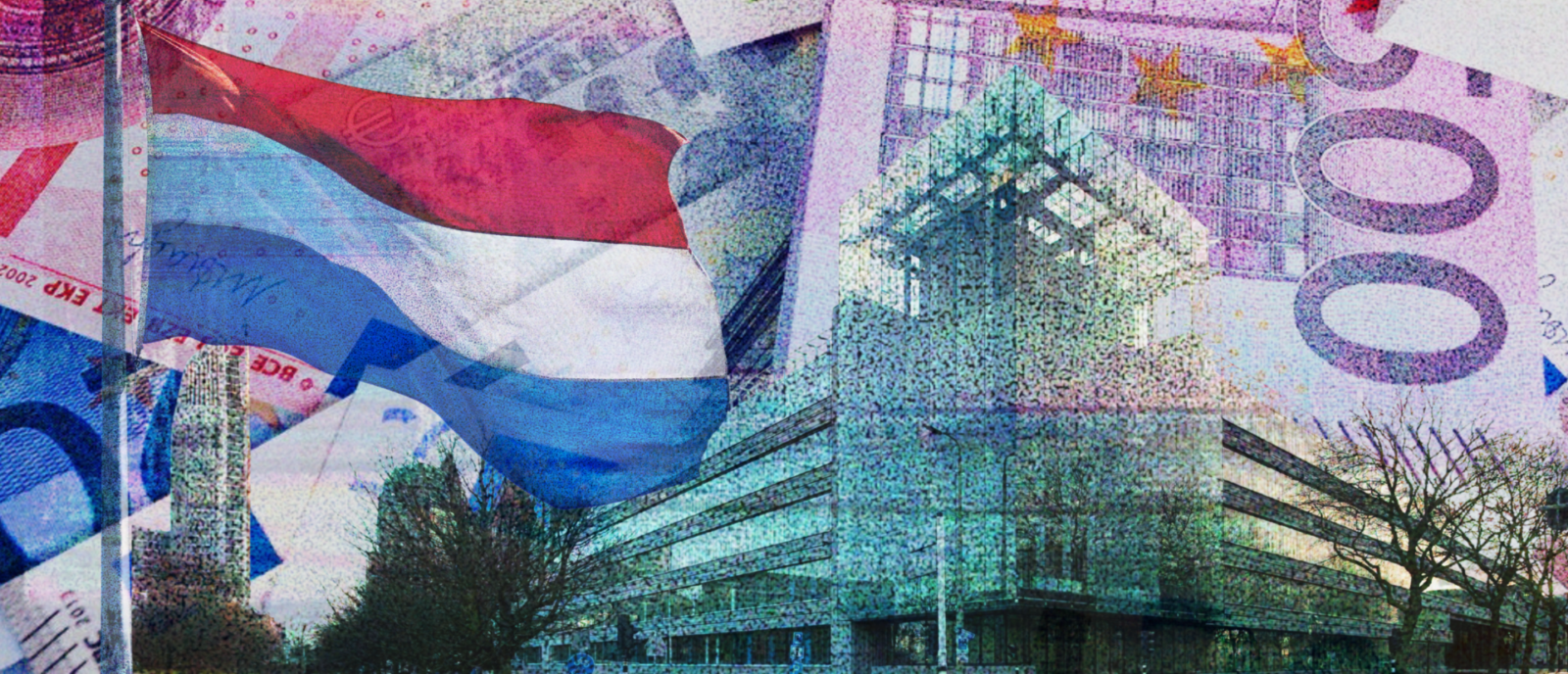

Pushing Dutch pension funds to cut fossil fuel investments
With over EUR 400 billion invested in the fossil fuel industry, the US asset management giant BlackRock ranks among the largest fossil fuel investors worldwide. In 2025, our work supported Fossilvrij NL’s campaign urging pension funds to break ties with BlackRock. We fueled their campaign with research showing (externe link, opent in nieuw tabblad) that the four largest US asset managers (BlackRock, Vanguard, State Street, and Fidelity Investments) now manage one eighth of all Dutch listed companies. That’s more than 10 times greater than the five largest Dutch asset managers. Data show the US asset managers are much less likely to vote in favour of positive climate resolutions than their Dutch counterparts.
Following our publication and sustained campaigning from Fossilvrij NL, two major Dutch pension funds were convinced to cut ties with BlackRock. The pension fund PFZW pulling out (externe link, opent in nieuw tabblad) means EUR 11 billion is taken out of the hands of this American asset giant. This was followed by the pension fund PME (externe link, opent in nieuw tabblad). That’s another EUR 5 billion, which is now out of BlackRock’s portfolio. This shows that Europe does not have to stand by powerlessly, but can take action itself to oppose the vulture capitalism of Wall Street.
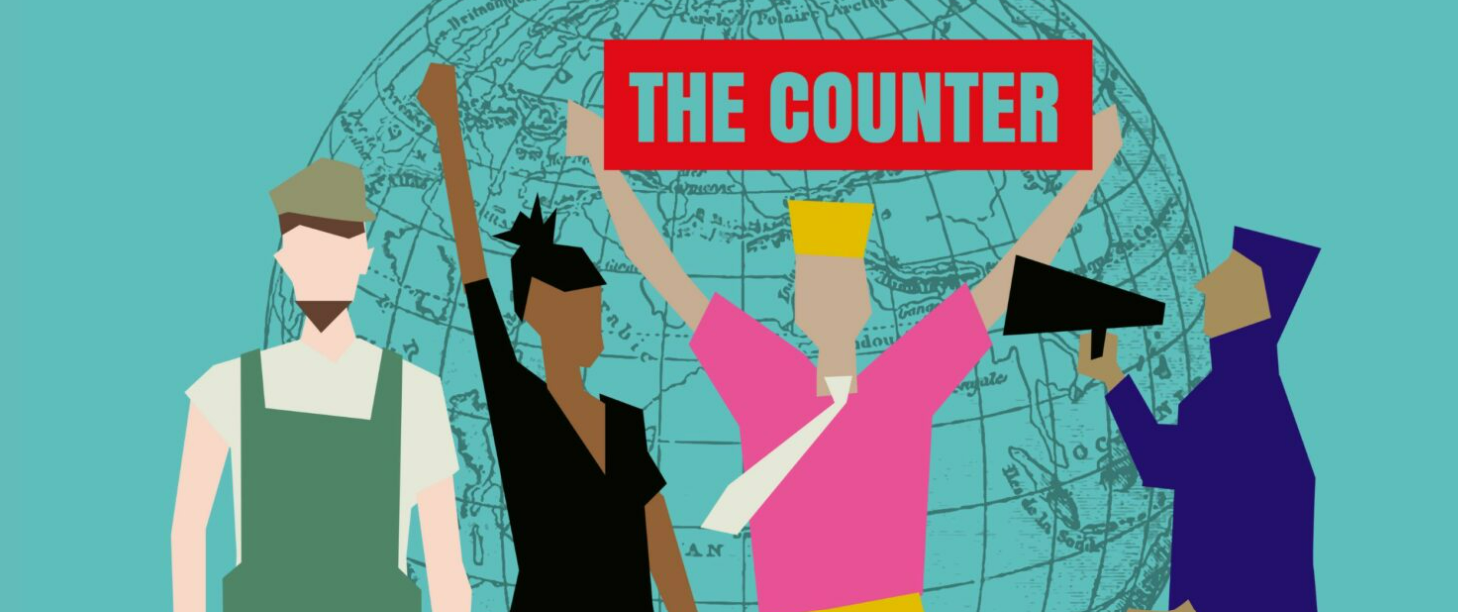

The Counter: delivering information that builds people power
Corporate power has expanded globally, undermining civil society efforts to promote social justice and protect the environment as companies abandon climate commitments and human rights responsibilities. With our global pro bono corporate research helpdesk, The Counter, we addressed this urgent moment by providing free key information to those fighting for a just and fair world.
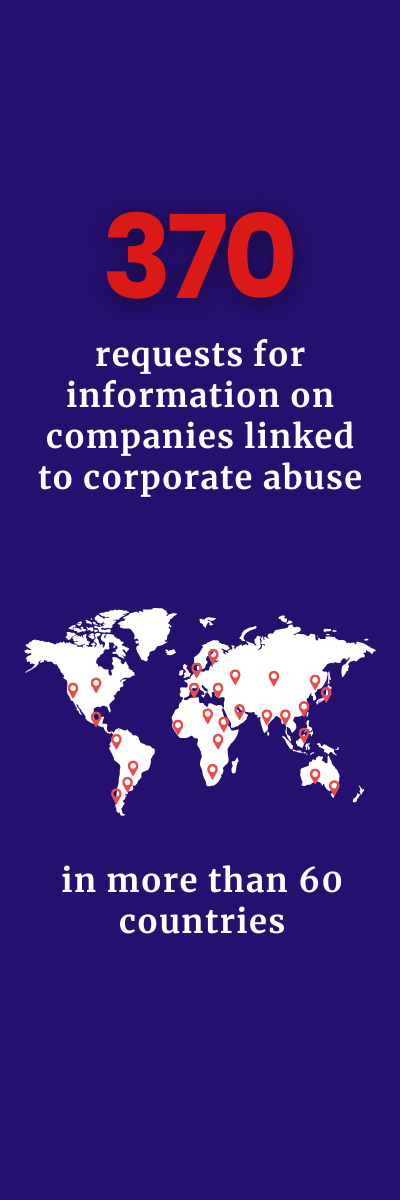
By the end of 2025, The Counter had responded to more than 370 requests for information on companies linked to climate change, deforestation, animal welfare, human rights abuses, labour violations, and environmental pollution. An increasing proportion of these requests supported public interest investigations and cases where claimants needed evidence for court. The Counter also rapidly responded to an uptick of requests for information on companies enabling and profiting from war and genocide.
While most organisations come to The Counter for advice and investigative support, demand for training and capacity building is growing. Over the past year, we delivered bespoke workshops to help civil society groups strengthen their corporate research skills and map supply chains and trade routes. We also expanded outreach for our pro bono service, presenting it via webinars and in person sessions in English, French, and Spanish to organisations, activists, lawyers, and journalists around the world.
Challenging the Dutch support for Israel’s war machine
2025 marked a second consecutive year of catastrophic destruction in Gaza and unrelenting violence against the Palestinian people. Israel’s war machine is not self-sustaining. It is powered by a network of companies supplying the weapons, technology, and infrastructure that enable this devastation, and by governments that lack the courage to act in line with their international responsibilities.

International experts have repeatedly made it clear that international crimes of forced displacement are ongoing, making urgent action necessary. SOMO identified the corporations enabling and profiting from this violence, exposed their involvement, and pushed relentlessly for accountability. In April, our research exposed the high risk of Dutch police/military dogs (externe link, opent in nieuw tabblad) being used by the Israeli army in gross human rights violations against Palestinians. We notified one company that we would commence a legal process to force them to disclose information. Shortly before the discovery proceedings were initiated, the company announced it had ceased all activities.
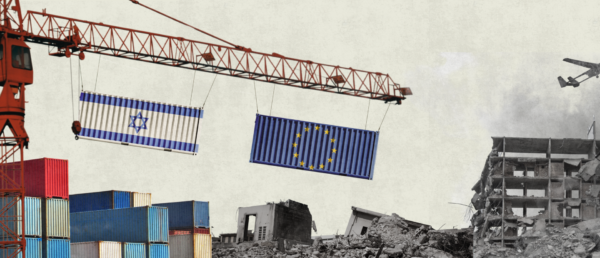
In July, SOMO published a timely report showing that the EU is Israel’s largest investor and trading partner (externe link, opent in nieuw tabblad), with two-thirds of that investment coming from the Netherlands. The findings sparked immediate mobilisation across the country, fueling protests and a petition for Dutch sanctions signed by over 40,000 people, which was presented to the Dutch Members of Parliament. The report generated public and political momentum, triggering parliamentary questions from three parties, a resolution to end the Netherlands–Israel tax treaty (though it did not pass), and sustained pressure from opposition parties on the Minister of Foreign Affairs to take concrete measures against Israel.
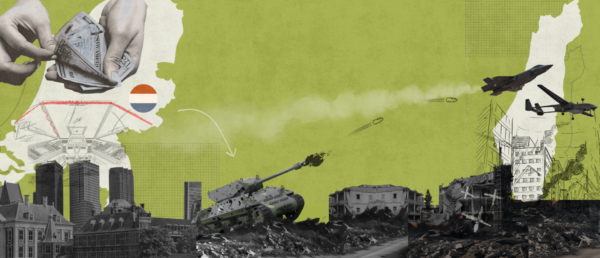
The battle for accountability from the Dutch state continued throughout 2025. The legal case taken by a coalition of three Palestinian and seven Dutch organisations (including SOMO) set a key precedent on genocide prevention when the Dutch Court of Appeal (externe link, opent in nieuw tabblad) ruled that the Genocide Convention must be considered and that courts may assess whether the State breached its duty of care by failing to act. While the court recognised the Netherlands’ obligation to prevent genocide in Gaza, it did not grant the coalition’s demands on arms and dual use exports, military and police dogs, or settlement trade. Yet during the proceedings, the State revoked contested arms export licences, initiated a legislative process to ban settlement goods, and explored measures to prevent the export of dogs where there is a risk they will be used in the commission of human rights violations.
By combining strategic legal action, advocacy, and direct intervention, we remain steadfast in our commitment to challenge complicity in war crimes and demand justice for Palestine.
Growing and diversifying our digital audience
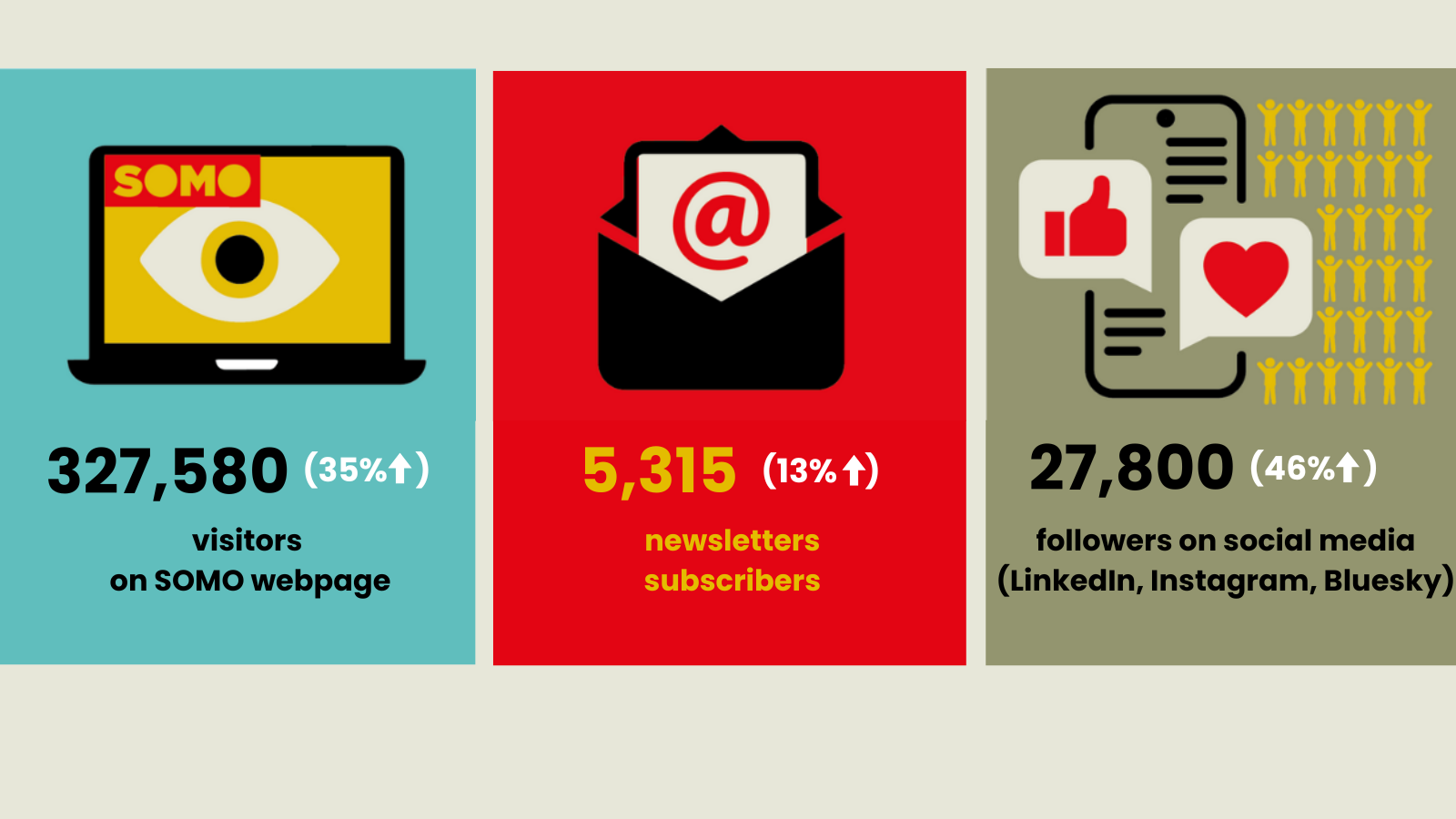
Last year, our digital audience not only grew significantly but also became more diverse. SOMO’s website recorded 327,580 visits, an increase of 76,000 visitors compared to the previous year. Visitors are reaching us through a wider range of channels, including social media, newsletters, and partner networks, reflecting the growing visibility of our research and advocacy work. At the same time, our combined audiences across social media platforms increased by 46%, helping us amplify our messages more widely.
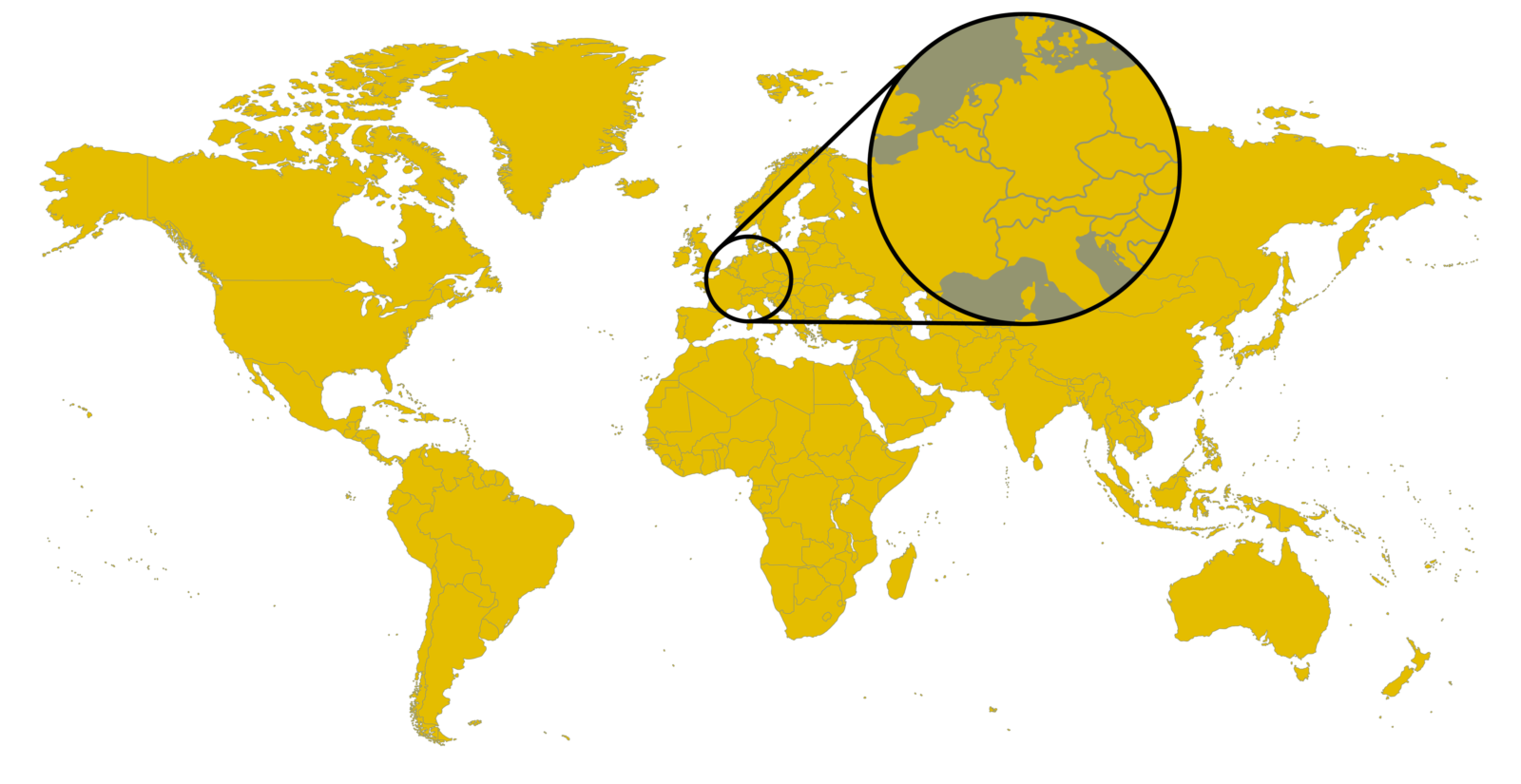
Our audience also became more geographically diverse. We are now reaching readers across all continents, demonstrating the global relevance of our work. Visits from the EU increased by 53%, while traffic from outside the EU also grew substantially, including 120% from New Zealand, 28% from China, 51% from Turkey, 21% from Mexico, and 32% from the US. This broader reach shows that our work is resonating with a growing international audience.

Publications
Long reads
Cases
Partners
Alliances and partnerships are critical to advance an agenda for fundamental change. Playing our role within an international ecosystem of like-minded actors is central to SOMO’s theory of change and our core values.
Much of our work is done as part of long-term partnerships, through joint research projects or with research by SOMO that supports activism and campaigns of partner civil society organisations (CSOs). We play an active role in numerous networks and host several international networks. We are committed to sharing knowledge, learning from others, and contributing to a transformative and justice-focused agenda. In 2024 we worked with partners from Europe, Asia, Africa, Latin America, and the MENA region. Many of these partnerships are long-standing, reflecting shared goals and joint work over several years.

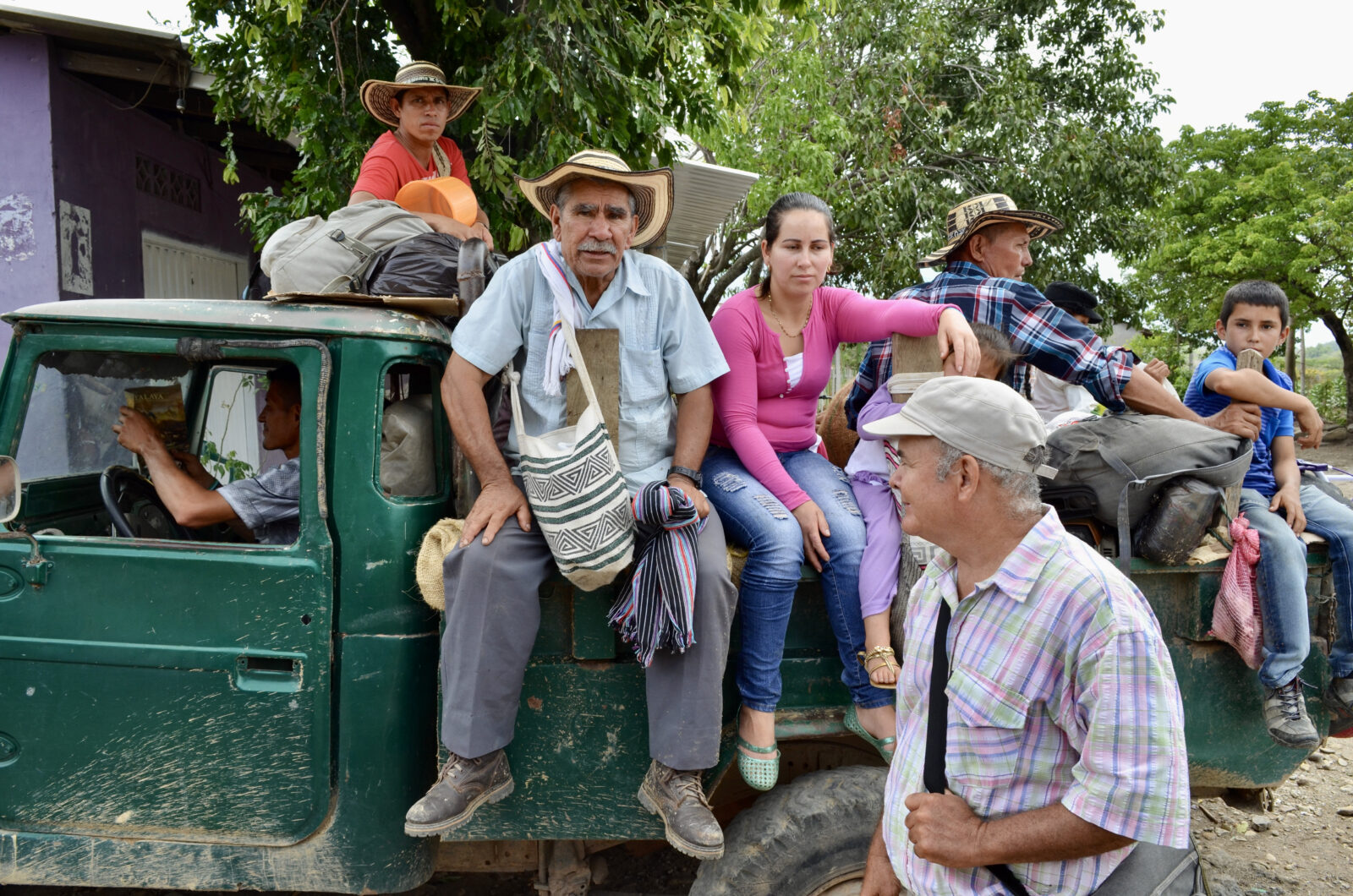
Protection des Écoregions de Miombo au Congo


Action Labor Rights
ARISA
MACUA/WAMUA
Alternative Information and Development Centre (AIDC)
Action Against Impunity for Human Rights
InKrispena
Südwind
Al Haq
Repórter Brasil
Civil Initiatives for Development and Peace
Conectas Direitos Humanos
INKOTA
Foundation for the Development of Sustainable Policies
China Labour Bulletin (CLB)
Kenya Human Rights Commission (KHRC)
Tax Justice Network Africa
African Resources Watch
Bangladesh Labour Foundation
Madhyam
Asociación Interamericana para la Defensa del Ambiente
National Organization for Working Communities
European Coalition for Corporate Justice
Community Empowerment and Social Justice Network
Interamerican Association for Environmental Defense (AIDA)
Asociación Montelimar Bendición de Dios
Fédération International des Droits de l’homme
Project on Organizing, Development, Education and Research (PODER)
Center for Environment, Human Rights and Development (CEHRD)
Stakeholder Democracy Network
Balanced Economy Project
1
2
Action Labor Rights
3
ARISA
4
MACUA/WAMUA
5
Alternative Information and Development Centre (AIDC)
6
Action Against Impunity for Human Rights
7
InKrispena
8
Südwind
9
Al Haq
10
Repórter Brasil
11
Civil Initiatives for Development and Peace
12
Conectas Direitos Humanos
13
INKOTA
14
Foundation for the Development of Sustainable Policies
15
China Labour Bulletin (CLB)
16
Kenya Human Rights Commission (KHRC)
17
Tax Justice Network Africa
18
African Resources Watch
19
Bangladesh Labour Foundation
20
Madhyam
21
Asociación Interamericana para la Defensa del Ambiente
22
National Organization for Working Communities
23
European Coalition for Corporate Justice
24
Community Empowerment and Social Justice Network
25
Interamerican Association for Environmental Defense (AIDA)
26
Asociación Montelimar Bendición de Dios
27
Fédération International des Droits de l’homme
28
Project on Organizing, Development, Education and Research (PODER)
29
Center for Environment, Human Rights and Development (CEHRD)
30
Stakeholder Democracy Network
31
Balanced Economy Project
Partner profile
PERÚ EQUIDAD
Perú Equidad (externe link, opent in nieuw tabblad) is a non-profit organisation dedicated to defending and promoting human rights and their full realisation. It supports individuals and groups whose rights have been violated through actions designed to remedy these violations and restore their rights.
Guided by a human rights–based approach, Perú Equidad works to ensure that public policies are grounded in human rights principles. To achieve this, the organisation conducts research, provides training, disseminates information, and engages in litigation and advocacy at the local, regional, and international levels.
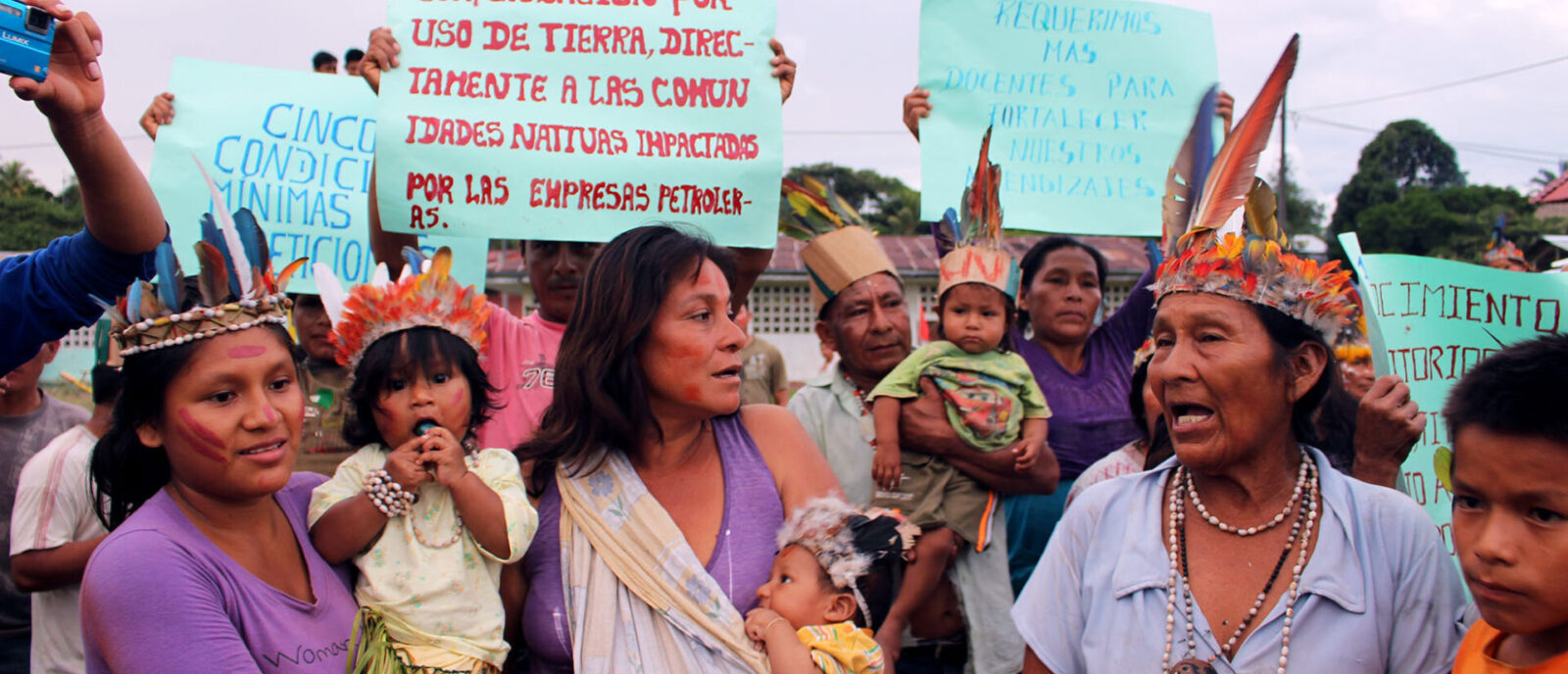
SOMO and Perú Equidad collaborated to investigate the operations and corporate ownership of multinational oil company Pluspetrol, and then support Indigenous federations from the Peruvian Amazon in holding Pluspetrol accountable for human rights and environmental abuses (externe link, opent in nieuw tabblad).


Partner profile
Future Economy Incubator
The Future Economy Incubator (externe link, opent in nieuw tabblad) was founded on a simple and uncomfortable observation: opportunities for radical economic change are being lost because we are not ready for them.
The Incubator exists to develop deep and detailed proposals for economic change and to help build the political power that changes the system from the outside. They collaborate with a diverse network of radical thinkers and grassroots social movements, so we are not just ready to seize moments of opportunity, but to create them.
In 2025, SOMO and The Future Economy Incubator worked together to bring bold ideas for radical wealth redistribution centering reparations (externe link, opent in nieuw tabblad) and radical economic change. (externe link, opent in nieuw tabblad)


NGO networks
We play a key role in dozens of different Dutch, European and international networks and as a network host. We promote the exchange of information and collaboration among different NGOs towards similar goals.
OECD Watch
OECD Watch is a global network of civil society organisations (CSOs) with more than 130 members in over 50 countries. Network members share a commitment to ensuring that business activity contributes to sustainable development and poverty eradication, corporations are held accountable for their impacts, and victims of business-related abuse receive remedy. OECD Watch focuses specifically on the OECD Guidelines for Multinational Enterprises and the associated grievance mechanism, the system of National Contact Points. The OECD Watch network aims to improve the implementation and effectiveness of the guidelines and their link to parallel initiatives on corporate accountability.
MVO Platform
Hosted by SOMO, the MVO Platform is a coalition of diverse Dutch organisations working to ensure that companies are held accountable for the social, ecological, and economic consequences of their activities across their supply chains. The platform also advocates for the Dutch government to take a proactive role in fulfilling its responsibility to protect citizens from the potential negative impacts of corporate activities. MVO Platform members include Dutch labour unions, human rights groups, environmental organisations, and consumer associations, among others. The MVO Platform aims to influence the policies of the Dutch government while stimulating, facilitating, and coordinating activities involving its members.

Tax Justice Netherlands
Tax Justice Netherlands is a network of eight Dutch organisations and trade unions dedicated to raising awareness about the negative consequences of tax avoidance worldwide. The network and its members advocate for a fair global tax system and greater transparency from companies and governments. Tax Justice Netherlands is affiliated with the Global Alliance for Tax Justice.
Digital Merger Watch
Digital Merger Watch is a global initiative of 17 network members and several working groups, dedicated to scrutinising and challenging Big Tech’s efforts to reinforce its dominance through mergers and acquisitions. The network provides a platform for members to meet, exchange information, and coordinate responses to problematic M&A activity within digital markets.

Organisational development
Governance structure
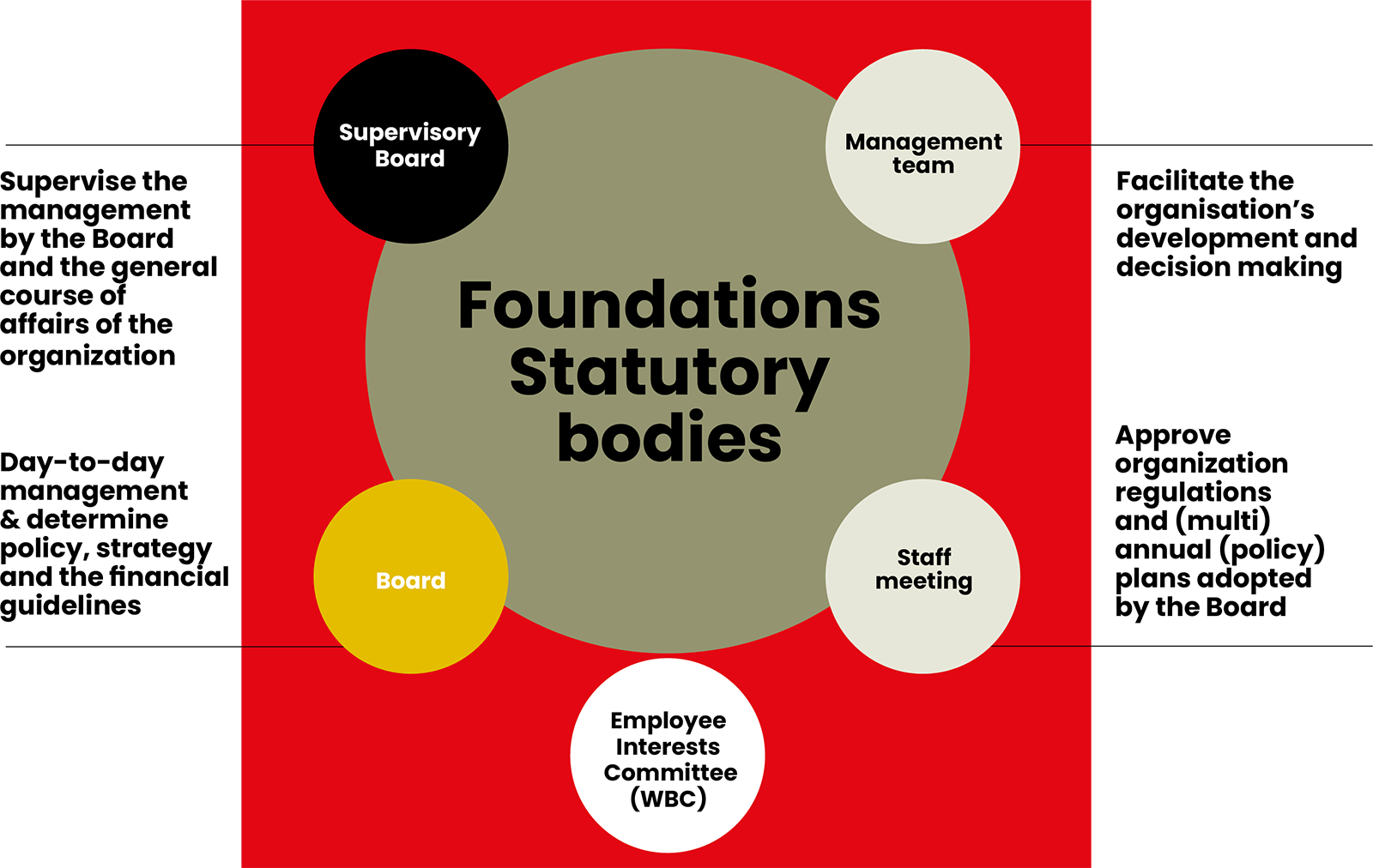
The governance structure of SOMO is set up as follows:
- The Supervisory Board
- The Executive Board (Executive Director)
- The Management Team (MT)
- The staff
The Executive Board consists of one person: the Executive Director, Audrey Gaughran, who took up the role in February 2021. The Executive Board, under the guidance of the Supervisory Board, bears the ultimate responsibility for identifying and managing the risks associated with the organisational strategy and activities.
The day-to-day management of the organisation is in the hands of the Leadership Team. In 2025, the team was chaired by the Executive Director and included the Programme Director, Irene Keizer, and the Director of Finance & Operations, Roelof Gunnink. During this year, the Programme Director left SOMO, and following a strategic review of the organisation’s needs, a Head of Research role was created. Joanna Cabello, a Senior Researcher, took up this position following an internal recruitment process. Two other posts play a role in the Leadership Team: Joseph Wilde-Ramsing, Head of Advocacy, and Madhuri Prabhakar, Head of Communications.
The staff of SOMO play a critical role in the running of the organisation. SOMO’s Statutes recognise the role of staff in making strategic decisions for the organisation. The staff meeting is an important decision-making body, and decisions are taken by a qualified majority vote. During 2025, there were key decision-making moments in which the staff of SOMO voted on the direction of the organisation.
Supervisory Board report
The year 2025 was marked by significant challenges for SOMO, due to the loss of large parts of its funding. The Supervisory Board (SB) supported the Board / Executive Director and the staff throughout a year of restructuring and downsizing of the organisation. The Supervisory Board’s role is to balance a clear strategic focus on SOMO’s mission, values and principles, with taking care as good as possible for the SOMO staff, many of whom have committed a large part of their career to SOMO.
In this process, the SB supported the Board / Executive Director and the leadership team in their difficult tasks and responsibilities, with strategic guidance, critical questions and moral support. The SB also engaged with (former) staff members who had expressed their concerns to the SB on the restructuring and downsizing. Our aim in this process has been to ensure a sustainable future for a leaner but still impactful SOMO.
The Supervisory Board was continuously informed about strategic decisions and the programmatic work, and recognizes the important impact SOMO is achieving even during difficult times. The SB is very appreciative of the efforts and commitment shown by all staff members during this year.
Meetings
To fulfil its role in a period of turmoil, the SB met twice in person, in February and in November to discuss strategy and organisational development. During these meetings, the SB also met with representatives of the Works Council. In addition, the SB met online in March, May, June, July, and October. These meetings have involved the Board / Executive Director and sometimes also other staff members, depending on the agenda. During the in-person meetings there were also SB-only sessions.
In April, two SB members met the auditor together with management on the annual accounts. The annual appraisal of the Board / Executive Director took place in September. The Chair of the Supervisory Board and the Board / Executive Director also held regular bilateral check-ins.
During the first months of the year, while the Executive Director was on medical leave, the SB closely supported the interim Executive Director and the leadership team to ensure the sustainability of the work and that everything would run smoothly at the return of the Executive Director.
Supervisory Board composition
In July the Chair, Angela Wigger, stepped down from the Supervisory Board, after dedicating three consecutive terms to the organisation. Radboud van Delft was appointed as new Chair of the Supervisory Board and Cecilia Rikap joined as new member that same month.
Supervisory Board members are appointed for a four-year term and may be reappointed for two subsequent four-year terms.
In 2025, SOMO’s Supervisory Board consisted of the following people:
Angela Wigger (externe link) – Supervisory Board member from September 2013 till December 2015, Supervisory Board member from January 2016 till July 2025; chair from July 2022 till July 2025 – is an Associate Professor of Global Political Economy at Radboud University, Nijmegen. She is a former Chair of the Critical Political Economy Research Network (CPERN) and serves as Editor for Progress in Political Economy and Capital & Class. Angela is also a member of the Advisory Boards of the journals Global Political Economy, and Rejerca and of SOC21.
Radboud van Delft (externe link) – Supervisory Board member since May 2022, chair since July 2025 – is a senior management consultant at Good Purpose and interim manager at the Netherlands Institute for Human Rights. He previously served as Organisation Director at PAX for Peace and Greenpeace, amongst other civil society organisations. Radboud also serves on the Supervisory Board of Advocates for the Future.
Claire Fernandez (externe link) – Supervisory Board member since May 2022 – is a human rights professional working at the intersection of human rights and environmental justice, with experience in leading advocacy strategies at the EU level. She is Coordinator of FIAN Belgium – an organisation working on food justice – and was the Executive Director of European Digital Rights (EDRi) until the end of June 2025.
Fernanda Hopenhaym (externe link) – Supervisory Board member since March 2023 – was the Co-Executive Director of the Project on Organising, Development, Education and Research (PODER) until April 2026, an organisation in Latin America dedicated to corporate accountability. She is also a member of the UN Working Group on Business and Human Rights and member of the boards of EarthRights International and All Out. She will be a visiting professor at Università degli Studi di Milano at the end of April 2026.
Cecilia Rikap (externe link) – Supervisory Board Member since July 2025 – is an Associated Professor in Economics and the Head of Research at the Institute for Innovation and Public Purpose of the University College London (UCL). She is also a tenue researcher of the CONICET, Argentina’s national research council and associated researcher at COSTECH lab, Université de Technologie de Compiègne.

Fundraising
SOMO’s long-term funding strategy comprises four interrelated elements:
- Diversifying our sources of income by deepening existing relationships and building new relationships with funders that are aligned with SOMO’s mission
- Securing more general support, flexible and unrestricted funding, to ensure the structure of our funding is supportive of our work
- Increasing multi-year, strategy-aligned funding
- Building the organisation’s resilience, particularly by increasing our financial reserves.
For the fifth consecutive year, SOMO was successful in its fundraising in 2025 by leveraging its new strategy to good effect. In 2025, SOMO secured new funding contracts from several sources including renewed general support from an anonymous foundation of EUR 500,000 and Humanity United of USD 300,000 for two years, and the following project funding:
- 11th Hour Project: Less Mining, More Mobility (USD 125,000 for one year).
- Anonymous: Combatting the Chaotic Transition (USD 270,000 for one year).
- European Coalition for Corporate Justice (ECCJ): support for MVO Platform (EUR 10,000 for one year).
- Friends of the Earth Europe: Corporate Sustainability Due Diligence (EUR 50,000 for one year).
- Global Fund for a New Economy: Big Tech Lobby Playbook and Global Convening on Monopoly Power and Its Threat to Democracy (USD 47,000).
- Humanity United: OECD Watch Global Gathering (USD 20,000) and Extending access and inclusion of global majority partners in SOMO programmes (USD 15,000).
- Laudes Foundation: Strengthening coherence and rigour in concurrent due diligence initiatives (EUR 80,000 for 11 months) and OECD Watch Global Gathering (EUR 40,000).
- Luminate Projects Limited: Dismantling the Power of Big Tech (USD 400,000 for two years).
- Open Society Foundations: Strategic Litigation on Telecoms Company (USD 385,000 for two years).
- PeaceNexus Foundation: support to the Telenor case (EUR 4,000).
- Rockefeller Brothers Fund: Dismantling ISDS (USD 400,000 for two years).
- Schöpflin Stiftung: Curbing Monopoly Power (EUR 80,000).
- Wellspring Philanthropic Fund: OECD Watch Global Gathering (USD 30,000).
We have also continued to invest in building strong relationships with donors that share our goals. SOMO continued to benefit from a Ford Foundation BUILD grant of general operating support, combined with targeted organisational strengthening support. In 2025, Ford added an additional USD 249,500 to SOMO’s BUILD grant.
Budget 2026
| Amounts in euros | |
|---|---|
| Income | |
| Government grants | - |
| Private foundations | 1,426,986 |
| Lottery organisations | - |
| Other income | 228,000 |
| Highly likely income | 746,956 |
| Likely income | 250,000 |
| To raise | 591,400 |
| Total income | 3,243,342 |
| Expenditure | |
| Personnel Costs | 2,054,424 |
| Direct Project Costs | 688,068 |
| General expenses | 482,850 |
| Total Expenditure | 3,225,342 |
| Financial expenses | -18,000 |
| Result | - |
Risk management
SOMO has a risk management policy and maintains a risk register. Risks are discussed with the Supervisory Board at regular meetings. In 2025 SOMO saw its risks further increasing from previous years. Whereas SOMO’s Management Team had put in place a strategy to mitigate the funding risks and over the past number of years had successfully widened its donor base, it also faced the reality of geopolitical instability and uncertainty, resulting in a more volatile fundraising landscape.
In 2024, SOMO’s management announced a voluntary departure scheme to reduce headcount. This process was also finished in 2024 and there was good hope that this voluntary scheme would suffice to keep the organisation healthy for the years to come. However, due to the increased challenges in fundraising, SOMO’s management announced in October 2025 that a formal restructuring process had become unavoidable. This restructuring process allowed the organisation to further reduce headcount and prepare for a new reality.
Simultaneously to this announcement, SOMO negotiated a social plan with labour union FNV to set out the terms and conditions under which a restructuring process should take place.
The costs involved with the restructuring have been recognised as an expenditure under personnel costs in the statement of income and expenditure 2025.
Financial risks
The fundraising landscape has grown increasingly volatile recently, and SOMO has not been immune to this. Combined with the restructuring process SOMO underwent, this has resulted in a financial situation that is somewhat less stable than it has been in previous years. Nevertheless, SOMO enters this period of uncertainty from a position of relative strength, thanks to the prudent and forward-thinking financial management practiced in prior years, during which the organisation was able to build up a substantial continuity reserve.
This reserve has provided SOMO with financial flexibility to navigate the challenges associated with the restructuring process. Most notably, the ability to negotiate an attractive and fair departure package for employees leaving the organisation. At the same time, the organisation has been mindful of the need to preserve sufficient reserves to safeguard against unforeseen challenges that may arise in the future. Striking this balance between reasonably attractive departure packages to departing staff and maintaining a financial buffer reflects SOMO’s responsible approach.
Recognising the importance of financial sustainability, SOMO initiated a thorough analysis towards the end of 2025 to identify opportunities for cost savings across its operations. This is not a one-time exercise, but rather the beginning of an ongoing process aimed at ensuring the organisation remains as cost-effective as possible. This cost effectiveness should however in no way compromise the quality of SOMO’s work or the conditions in which staff are able to perform at their best. SOMO firmly believes that a motivated and well-supported team is essential to delivering on its mission, and any cost optimisation efforts are pursued with this principle firmly in mind.
On the administrative and reporting side, SOMO made meaningful progress in 2025 by significantly improving its financial reporting processes. Through the introduction of an updated system for registering and tracking projects, the organisation is now able to budget more precisely, maintain clearer oversight of expenditures, and generate more reliable financial insights.
SOMO’s continuity reserve decreased from EUR 958,722 by the end of 2024 to EUR 736,207 by the end of 2025. SOMO’s management regards the current level of reserves as suboptimal for ensuring a financially healthy and resilient organisation and will continue its efforts to strengthen them.
IT and digital security
Digital security is a continuous priority for SOMO, and this extends beyond our internal operations. Also, in collaboration with external partners and stakeholders we are committed to this, ensuring that communications, personal data, and sensitive information remain secure and protected.
In 2025, SOMO successfully completed its long-awaited migration to a new IT environment, a significant milestone in our ongoing efforts to build a more resilient and secure digital infrastructure. While this transition had been on our agenda since the previous year, it was temporarily postponed due to staffing challenges that made it difficult to dedicate the necessary capacity to this project. With the generous support of one of our funders, we were able to secure sufficient financial resources to carry out the transition and SOMO now operates entirely within Nextcloud Hub, an open-source, privacy-respecting platform that gives us greater control over our own data and workflows. Through this transition, we have meaningfully reduced our dependence on Big Tech companies, in line with our broader values.
Alongside the IT migration, SOMO also took an important step forward in strengthening its cybersecurity position by contracting an external specialist party to conduct an initial assessment of our IT security landscape. This assessment focused on evaluating existing processes and procedures, identifying potential vulnerabilities, and developing a concrete action plan aimed at building a more robust and secure IT environment. The findings of this assessment provided valuable insights into areas requiring attention and improvement.
Following the assessment, several specific action points were identified and prioritised. Work has already begun on several of these, including the drafting of key policies covering areas such as data management, access management, and incident response. These policies are currently being refined and will be fully implemented in 2026.
Organisation
At SOMO, we believe that how we work is just as important as what we work on. We therefore make a conscious and ongoing effort to ensure that our internal organisation reflects and embodies the core values that guide our mission. We are proud to be an organisation where staff members, in cooperation with SOMO’s works council, are closely involved in decision-making processes.
SOMO is equally committed to being a good employer and a dependable partner in all partner cooperation. We take seriously our responsibilities towards our staff, our partners, and the wider communities we engage with. As a research organisation, our foremost obligation is to uphold the highest standards of rigour, integrity, and transparency in our research and network-related activities, ensuring that our work stands up to scrutiny and genuinely contributes to the goals we pursue.
Sustainability is embedded in the organisation and SOMO’s travel policy is explicitly designed to recognise that organisational behaviour has a role to play in reducing environmental impact. Employees are reimbursed for commuting costs via public transport, and none of SOMO’s staff members rely on a car for their regular commute. When it comes to work-related travel, employees are strongly discouraged from taking flights for journeys within a 700-kilometre radius of Amsterdam, encouraging the use of rail and other lower-emission alternatives wherever feasible.
In 2025, SOMO decided to not endeavour to renew the ISO certification it previously held. Whilst SOMO has – and forever will continue to have – a strong focus on quality, management decided that resources could be allocated more effectively ensuring internal quality procedures where fit for purpose and matching organisational needs. The certification provided limited additional value and was therefore discontinued.
Human Resources Matters
Staff wellbeing and workplace safety are central priorities for SOMO, and we are committed to fostering an environment in which every team member feels supported, valued, and safe. We have established a range of mechanisms that not only meet the requirements set out under Dutch labour law, but in several respects go beyond them. Next to that SOMO continued working on organisational health and resilience with the help of an external consultant in 2025.
One of the mechanisms in place is the continuous employee satisfaction survey. SOMO continued conducting this survey in 2025 and the results are shared with the staff.
Another element of our well-being infrastructure is the availability of a Confidential Counsellor. This is an independently accessible resource that any staff member can turn to, at any time, for any reason. These can be challenges arising in their professional role, difficulties in their personal life, or concerns about workplace dynamics and relationships. The Confidential Counsellor provides an annual report to the Management Team, which includes anonymized observations as well as concrete advice on any actions the organisation should consider taking to further strengthen staff wellbeing.
Beyond well-being support, SOMO is equally committed to the continuous professional growth and personal development of its staff. Employees are actively encouraged to make full use of the training and development budgets available to them.
Additionally, SOMO established a formal Work Council (OR) in 2024, even though this wasn’t legally required. In 2025 SOMO’s director regularly met with the works council to discuss challenges and developments in the workplace. SOMO’s works council is closely involved in organisational developments and decision making processes.
Anti-racism, diversity, equality and inclusion
SOMO is deeply committed to anti-racism, decolonising and improving diversity, equality and inclusion (DEI) in the workplace, and in how we work as a research organisation and a civil society partner. In 2024, SOMO engaged an expert trainer and adviser on anti-racism and DEI who continued to work worked with the full SOMO team throughout 2025 to support the organisation in embedding anti-racism more deeply across all of our work and practices.
Balance sheet as of 31st of December 2025
| Amounts in euros | 31/12/2025 | 31/12/2024 | ||
|---|---|---|---|---|
| Assets | ||||
| Fixed assets | ||||
| Intangible fixed assets | 54,304 | 75,306 | ||
| Tangible fixed assets | 151,817 | 161,706 | ||
| 206,121 | 237,012 | |||
| Current assets | ||||
| Receivables, prepayments and accrued income | ||||
| Debtors | - | 25,700 | ||
| Subsidies receivable | 273,021 | 630,971 | ||
| Donations receivable | 500,000 | 500,000 | ||
| Prepayments and accrued income | 96,987 | 46,784 | ||
| 870,008 | 1,203,455 | |||
| Securities | 3,160 | 2,759 | ||
| Cash and bank balances | 3,140,181 | 3,578,696 | ||
| Total assets | 4,219,470 | 5,021,922 | ||
| Liabilities | ||||
| Equity | ||||
| Continuity reserve | 480,909 | 958,722 | ||
| Designated reserve for organisational strenghtening | - | 80,000 | ||
| Designated reserve for strategic initiatives | 890,453 | 504,450 | ||
| Designated reserve for organisational resturcture | 225,000 | - | ||
| 1,596,361 | 1,543,172 | |||
| Current liabilities, accurals and deferred income | ||||
| Creditors | 127,193 | 216,455 | ||
| Outstanding payments to partners | 163,601 | 293,899 | ||
| Subsidies spendable | 1,471,998 | 1,409,931 | ||
| Taxation and social securities payable | 150,145 | 215,272 | ||
| Accruals and deferred income | 710,172 | 1,343,193 | ||
| 2,623,109 | 3,478,750 | |||
| Total liabilities | 4,219,470 | 5,021,922 | ||


Statement of income and expenditure 2025
| Amounts in Euros | 2025 Actual | 2025 Budget | 2024 Actual |
|---|---|---|---|
| Income | |||
| Government grants | 2,552,835 | 2,288,318 | 4,265,165 |
| Income from foundations and charitable funds | 3,106,570 | 1,517,159 | 2,600,431 |
| Income from lottery organisations | 306,325 | 305,920 | 455,642 |
| Other grants | 67,500 | 1,201,949 | 34,150 |
| Other income | 728,426 | 776,000 | 1,358,518 |
| Total income | 6,761,656 | 6,089,346 | 8,713,906 |
| Expenditures | |||
| Direct project costs | 2,198,201 | 1,334,929 | 2,666,484 |
| Personnel costs | 3,887,867 | 4,149,153 | 5,221,643 |
| General expenses | 626,652 | 587,264 | 593,050 |
| Total expenditure | 6,712,720 | 6,071,346 | 8,481,177 |
| Operation result | 48,936 | 18,000 | 232,729 |
| Financial income and expenditure | |||
| Interest income | 42,748 | - | 5,697 |
| Financial income and expenses | -30,652 | -18,000 | 74,920 |
| 12,096 | -18,000 | 80,617 | |
| Result on ordinary activities before taxation | 61,032 | - | 313,346 |
| Taxation on ordinary activities | -7,843 | - | 4,659 |
| Result after taxation | 53,189 | - | 318,005 |
| Appropriation of result | |||
| Continuity reserve | -477,813 | -116,445 | |
| Designated reserve for organisational strenghtening | -80,000 | -70,000 | |
| Designated reserve for strategic initiatives | 386,003 | 504,450 | |
| Designated reserve for organisational restructuring | 225,000 | - | |
| Total | 53,189 | 318,005 | |
Result
The Executive Board, with the approval of the Supervisory Board, has decided to allocate the result after taxation 2025 as follows: EUR 386,003 is added to the reserve for strategic initiatives, EUR 477,813 is charged to continuity reserves, EUR 225,000 is added to a new designated reserve for organisational restructure and EUR 80,000 is charged to the designated reserve for organisational strengthening, which is depleted with this withdrawal.

Cash flow statement 2025
| Amounts in Euros | 2025 Actual | 2024 Actual |
|---|---|---|
| Cash flow from operating activities | ||
| Result from the statement of income and expenditure | 53,189 | 318,005 |
| Adjustments for: | ||
| Depreciation | 55,057 | 64,750 |
| Total adjustments | 55,057 | 64,750 |
| Changes in working capital: | ||
| Short-term receivables | 333,447 | 111,442 |
| Short-term debts | -855,642 | -379,157 |
| Total changes in working capital | -522,195 | -267,715 |
| Total cash flow from operating activities | -413,948 | 115,040 |
| Cash flow from investment activities | ||
| Investments in intangible fixed assets | - | - |
| Investments in tangible fixed assets | -24,693 | -999 |
| Desinvestments in intangible fixed assets | - | - |
| Desinvestments in tangible fixed assets | 527 | 839 |
| Total cash flow from operating activities | -24,166 | -160 |
| Cash flow from financial activities | ||
| Financial activities | - | - |
| Total cash flow from financial activities | - | - |
| Changes in cash and cash equivalents | -438,114 | 114,880 |
| Cash and cash equivalents | ||
| Balance per 1 January | 3,581,455 | 3,466,575 |
| Balance per 31 December | 3,143,341 | 3,581,455 |
| Changes in cash and cash equivalents | -438,114 | 114,880 |
Accounting principles for financial reporting
General accounting principles for the preparation of the financial statements
The financial statements have been prepared in accordance with Title 9, Book 2 of the Dutch Civil Code. For the preparation and presentation of the financial statements, SOMO uses the Guidelines for annual reporting of the Dutch Accounting Standards Board as well, especially Guideline 640 “Organisations not for profit”.
Valuation of assets and liabilities and determination of the result takes place under the historical cost convention. Unless presented otherwise, the relevant principle for the specific balance sheet item, assets and liabilities is presented at amortised cost price. Income and expenses are accounted for on an accrual basis.
Expenses are determined by taking the mentioned valuation principle into account. Profit is only included when realised on the balance sheet date. Losses originating before the end of the financial year are taken into account when ascertained before preparation of the financial statements. The general accounting principles for the valuation of assets and liabilities and the determination of the result are unchanged compared to last year.
Comparative figures are, where appropriate, adjusted in terms of classification only for comparison purposes.
Principles of valuation of assets and liabilities
Fixed assets: Intangible and tangible fixed assets are presented at cost less accumulated depreciation and, if applicable, less impairments in value. Depreciation is based on the estimated useful life and calculated as a fixed percentage of cost. Depreciation is provided from the date an asset comes into use.
The following fixed percentages of cost are used for depreciation:
Intangible assets
- Software: 20 per cent a year
Tangible fixed assets
- Rebuilding: 10 per cent a year
- Computers and software: 20 per cent a year
- Office equipment: 20 per cent a year
Receivables: Receivables are included at face value, less any provision for doubtful accounts. These provisions are determined by individual assessment of the receivables.
Securities: The listed shares are valued at the market value as at the balance sheet date, with which both realised and unrealised changes in value are directly accounted for in the profit and loss account.
Principles for the determination of the result
Government grants / contributions (allowances): Allowances are included in the statement of income and expenses for the year in which the subsidised expenses are realised.
Taxation: Corporate income tax is calculated at the applicable rate on the result for the financial year, taking into account permanent differences between profit calculated according to the financial statements and profit calculated for taxation purposes.
Notes to the balance sheet as of 31st December 2025
Assets
Fixed assets
| Amounts in Euros | Intangible fixed assets | Tangible fixed assets | ||
|---|---|---|---|---|
| Fixed assets | Software | Renovations | Inventory | 2025 Total |
| Purchase value at historical cost | 341,509 | 221,725 | 99,402 | 321,127 |
| Accumulated depreciation | -266,203 | -83,156 | -76,265 | -159,421 |
| Balance as of 1 January | 75,306 | 138,569 | 23,137 | 161,706 |
| Investments | - | - | 24,693 | 24,693 |
| Desinvestments | - | - | -44,131 | -44,131 |
| Depreciations | -21,002 | -22,084 | -11,972 | -34,056 |
| Depreciation desinvestments | - | - | 43,604 | 43,604 |
| Total movements 2025 | -21,002 | -22,084 | 12,195 | -9,889 |
| Purchase value at historical cost | 341,509 | 221,725 | 79,965 | 301,690 |
| Accumulated depreciation | -287,205 | -105,240 | -44,633 | -149,873 |
| Balance as of 31 December | 54,304 | 116,485 | 35,332 | 151,817 |
Current assets
Subsidies receivable
Details of receivable subsidies can be found in the project balance overview.
Prepayments and accrued income
| Amounts in Euros | 31-12-2025 | 31-12-2024 |
|---|---|---|
| Assets | ||
| Prepayments and accrued income | ||
| Professional services to invoice | 5,720 | 5,243 |
| Other prepayments and accrued income | 91,267 | 41,541 |
| Total prepayments and accrued income | 96,987 | 46,784 |
For the development of project management software SOMO joined the user platform of supplier Matthat. Together with nine other organisations, SOMO has invested in the development of tailor-made project management software. The user platform agreement with Matthat was on a Return on Investment basis, in case Matthat is able to sell the software also to other clients. This agreement runs for five years after the investment is made. SOMO’s last investments were made in 2020.
Cash and bank balances
| Amounts in Euros | 31-12-2025 | 31-12-2024 |
|---|---|---|
| Assets | ||
| Securities | ||
| Stocks | 3,160 | 2,759 |
| Total securities | 3,160 | 2,759 |
| Cash and bank balances | ||
| Current accounts | 1,374,403 | 1,663,290 |
| Interest accounts | 1,765,778 | 1,915,406 |
| Money in transit | - | - |
| Total cash and bank balances | 3,140,181 | 3,578,696 |
Except for a bank guarantee for the lease of our building (with the sum of EUR 19,147), all cash and bank balances are available for expenditure by SOMO.
SOMO only buys shares when this is necessary in the context of a project, for instance, in order to be able to attend a general shareholders’ meeting. All dividend and currency profits are reserved as gifts for third parties. SOMO does not buy shares as an investment policy.
Liabilities
Reserves and funds
| Amounts in Euros | 31-12-2025 | Additions | Withdrawals | 31-12-2024 |
|---|---|---|---|---|
| Liabilities | ||||
| Reserves | ||||
| Continuity reserve | 480,909 | - | -477,813 | 958,722 |
| Designated reserve for organisational strenghtening | - | - | -80,000 | 80,000 |
| Designated reserve for strategic initiatives | 890,453 | 500,000 | -113,997 | 504,450 |
| Designated reserve for organisational restructure | 225,000 | 225,000 | - | |
| Total reserves | 1,596,361 | 725,000 | -671,811 | 1,543,172 |
Continuity reserve: SOMO builds its continuity reserves in line with the Erkenningsregeling Goede Doelen, which recommends that continuity reserves are based on a risk assessment.
SOMO prepared a risk assessment in order to determine the necessary level of continuity reserve. Most important risks are related to high donor dependency and litigation because of our research work. In 2024, SOMO has determined that it should maintain a minimum continuity reserve of EUR 1,250,000 and an optimal continuity reserve of EUR 1,750,000. In light of the recent changes to the organisation, in particular the reduced headcount, these amounts have been re-evaluated for 2026-2028. The minimum continuity reserve should now be EUR 460,000 and the optimal continuity reserve EUR 630,000.
In 2022, SOMO established a designated organisational strengthening reserve for three key areas: increasing the capacity of key support services, developing innovations in research and communications, and completing transition processes. The final part of this strengthening process, the IT renewal process, was completed in 2025, and the remaining sum of this reserve, EUR 80,000, was spent in 2025 on this process.
Designated reserve for strategic initiatives: The funds reserved last year for strategic initiatives were partially utilised throughout 2025. This budget allowed us to dedicate time for various colleagues to contribute to a range of short-term projects that generated significant media attention and had a meaningful impact on our mission.
To make this possible, we introduced a new working method: short, focused research sprints with quick turnaround times. Launched early in the year, this approach was designed to help us respond swiftly to current events and emerging news. It proved to be highly effective, enabling SOMO to stay relevant and agile in a fast-moving landscape.
In 2025, SOMO received a renewed donation of EUR 500,000 from a private donor for one year, to spend on strategic goals and objectives. The total amount is included in Other income in 2025. Withdrawal from this reserve in 2025 was EUR 113,997.
Designated reserve for organisational restructure:
Due to the changed funding landscape SOMO needs to review it’s staffing structure, to align it with the available resources. Costs for this process, estimated at EUR 225,000, have been reserved in a designated reserve for organisational structure. The process will be carried out in 2026.
Current liabilities, accruals and deferred income
Subsidies spendable
Details of the spendable subsidies can be found in the project balance overview.
For the subsidies of Oxfam Novib (Fair 4 All – MoFA Strategic Partnership 2021-2025), Both ENDS (Fair, Green & Global – MoFA Strategic Partnership 2021-2025), Brot für die Welt (Battery Supply Chain), and MoFa Finland (From the Ground) an auditors’ report is required.
Taxes and premiums
| Amounts in Euros | 31/12/2025 | 31/12/2024 |
|---|---|---|
| Liabilities | ||
| Taxation and social securities | ||
| VAT | 2,263 | 2,263 |
| Payroll tax | 65,170 | 94,406 |
| Social securities | 3,767 | 4,921 |
| Pension premiums | 71,102 | 113,682 |
| Taxation (corporate tax) | 7,843 | |
| Total taxation and social securities | 150,145 | 215,272 |
Other debts
| Amounts in Euros | 31/12/2025 | 31/12/2024 |
|---|---|---|
| Liabilities | ||
| Other accruals and deffered income | ||
| Salaries, holiday pay and bonuses | 105,249 | 415,968 |
| Provision for holidays not taken | 165,995 | 127,200 |
| Audit costs | 71,955 | 60,720 |
| Other debts | 63,799 | 43,163 |
| Staff departure plan | 303,174 | 696,142 |
| Total other accruals and deffered income | 710,172 | 1,343,193 |
During 2025, several grants came to an end. SOMO’s Leadership Team and Supervisory Board concluded that staff needed to be reduced in order to cope with the new funding reality. A redundancy plan was agreed between management and SOMO’s Works Council. The costs associated with the staff departure plan (transition allowance, education allowance and legal advice) will be paid out in 2026 and are included under other debts.
Contingent assets and liabilities
At the end of 2025, there is one bank guarantee for EUR 19,147. This relates to the lease for the SOMO offices at KNSM-laan 17 in Amsterdam.
SOMO has a defined benefit pension plan for its employees on retirement administered by the pension fund Zorg en Welzijn. SOMO pays two-thirds of the premium, and one-third is paid by the employee. SOMO has no obligation to make additional contributions to the pension fund beyond higher future premiums. Therefore, the premiums due until the end of the period are reported in the financial statements.
The contracts with project partners refer to short-term debts (generally one year, in a small number of cases, two years) for cooperation in joint projects or subcontracting in services delivery.
The financial commitment for the programmes SOMO conducts with consortium partners is on an annual basis. For the period of the programme, SOMO signed a Memorandum of Understanding with the consortium partners. For the programme commissioned by the Dutch Ministry of Foreign Affairs, SOMO also signed a Memorandum of Understanding with the project partners. Financial commitments have only been agreed on an annual basis.
Cooperation for the entire programme period is conditional on the timely delivery of results and reporting.
Liabilities not shown in the balance sheet
A five-year rent agreement was signed on 15 April 2021 for the location KNSM-laan 17 in Amsterdam, the agreement is renewable for another five-year period. The annual rent for 2025 amounts to EUR 103,624 (2024: EUR 101,382).
Notes to the statement of income and expenditure 2025
Income
| Amounts in Euros | 2025 Actual | 2025 Budget | 2024 Actual |
|---|---|---|---|
| Income | |||
| Grants | |||
| Governments | 2,552,835 | 2,288,317 | 4,265,165 |
| Private funds | 3,106,570 | 1,517,159 | 2,600,431 |
| Lottery organisations | 306,325 | 305,920 | 455,642 |
| Other grants | 67,500 | 1,201,949 | 34,150 |
| Total Grants | 6,033,230 | 5,313,345 | 7,355,388 |
| Other income | 728,426 | 776,000 | 1,358,518 |
| 6,761,656 | 6,089,345 | 8,713,906 | |
Other income
In 2025, SOMO received a EUR 500,000 renewal of a donation to spend on strategic goals and objectives. The total amount is included in Other income in 2025. Also included are member contributions for networks and other donations.
Other donations
In 2025, SOMO received EUR 19,673 in donations (2024: EUR 2,788). For the use of this income, the following parameters apply:
- Where a donation is received with a clear preference expressed as to how it is used, SOMO will use this income in the programme that best fits this preference.
- Where SOMO receives general donations, this income will be used to cover the general costs of programme delivery.
Expenditures
Direct project costs
| Amounts in Euros | 2025 Actual | 2025 Budget | 2024 Actual |
|---|---|---|---|
| Expenditure | |||
| Direct project costs | |||
| Contracted work | 956,131 | 564,240 | 1,443,241 |
| Travel costs | 268,176 | 134,247 | 137,967 |
| Office expenditure | 160,243 | 113,088 | 281,109 |
| Freelance project staff | 374,442 | - | 685,805 |
| Other direct project costs | 439,209 | 523,354 | 118,362 |
| Total Direct project costs | 2,198,201 | 1,334,929 | 2,666,484 |
Personnel costs
| Amounts in Euros | 2025 Actual | 2025 Budget | 2024 Actual |
|---|---|---|---|
| Expenditure | |||
| Personnel costs | |||
| Salaries | |||
| Gross wages | 2,388,923 | 2,527,912 | 2,775,577 |
| Social security | 469,609 | 477,842 | 541,446 |
| End of year bonus | -20.106 | 224,437 | 254,608 |
| Pension contributions | 307,969 | 384,512 | 397,813 |
| Change in debt holiday pay/leave days | 203,020 | 205,433 | 180,981 |
| Total salaries | 3,349,416 | 3,820,136 | 4,150,425 |
| Remaining personnel expenditure | |||
| Personal development | 28,446 | 30,000 | 94,844 |
| Sick leave insurance | 168,973 | 184,692 | 177,044 |
| Commute costs | 36,180 | 46.257 | 46,391 |
| Voluntary departure plan | 304,751 | - | 696,142 |
| Miscellaneous personnel expenditure | 76,048 | 68,069 | 131,948 |
| Total Remaining personnel expenditure | 614,398 | 329,018 | 1,146,369 |
| Minus received payment for sick leave | -75,947 | - | -75,151 |
| Total Personnel costs | 3,887,867 | 4,149,154 | 5,221,643 |
The costs for the staff departure plan included in the remaining personnel expenditure are for the redundancy plan agreed upon in the last quarter of 2025.
On average in 2025, SOMO was employing 41 people (2024: 48). The total FTE in 2025 was 30.6 (2024: 40.5)
SOMO had insurance for long-term sick leave in 2025. As such, amounts have been received for EUR 25,198 (2024: EUR 52,634). In January 2026, this insurance policy was cancelled.
Remuneration Executive Director
Although not legally required, SOMO considers it important to be transparent about the remuneration of the Executive Director. The overview below states the gross amounts paid (including long-term remunerations) to our Executive Director, as well as pension charges and taxable expenses.
| Amounts in euros | ||
|---|---|---|
| Overview remuneration Executive Director | 2025 | 2024 |
| Name | Audrey Gaughran | Audrey Gaughran |
| Title | Executive Director | Executive Director |
| Contract | Employment Contract | Employment Contract |
| Start and end date performance | January 1st - December 31st 2025 | January 1st - December 31st 2024 |
| No. of months performed | 12 | 12 |
| FTE | 1.0 | 1.0 |
| Remuneration | 128,097 | 120,334 |
| Pension charges | 18,864 | 18,143 |
| Taxable expenses | 7,905 | 138,477 |
| Remuneration payable in the future | - | - |
| Remuneration | 154,866 | 138,477 |
In 2025, the Supervisory Board decided to grant the Executive Director a fixed expenses allowance. Previously, all expenses were reimbursed after submitting expenses claims.
Our Supervisory Board members are unpaid.
General expenses
| Amounts in Euros | 2025 Actual | 2025 Budget | 2024 Actual |
|---|---|---|---|
| Expenditure | |||
| General expenses | |||
| Software and hardware | |||
| Software and development | 92,643 | 104,361 | 102,694 |
| Hardware | 1,274 | 1,542 | 1,452 |
| System management IT | 28,592 | 30,000 | 20,966 |
| Total Software and hardware | 122,509 | 135,903 | 125,112 |
| Housing expenses | |||
| Rent and energy | 101,614 | 102,113 | 99,294 |
| Insurance and taxes | 1,925 | 1,241 | 2,412 |
| Maintenance and cleaning | 18,600 | 17,040 | 18,538 |
| Other housing expenses | 3,271 | 2,779 | 3,419 |
| Total Housing expenses | 125,409 | 123,173 | 123,663 |
| PR, communications and fund raising | |||
| PR, communications and fund raising | 12,571 | 5,103 | 5,463 |
| Total PR, communications and fund raising | 12,571 | 5,103 | 5,463 |
| Office expenses | |||
| Catering | 4,195 | 3,000 | 19,045 |
| Telephone and internet | 6,918 | 2,602 | 6,425 |
| Office supplies | 331 | - | 1,461 |
| Databanks, subscriptions, literature | 113,563 | 107,238 | 98,382 |
| Other office expenses | 10,304 | 31,642 | 11,958 |
| Total Office expenses | 135,310 | 144,482 | 137,271 |
| Organisation and administration expenses | |||
| Advice | 98,088 | 33,272 | 38,761 |
| Audit fee | 47,560 | 47,288 | 52,309 |
| Administration costs | 30,149 | 25,565 | 34,668 |
| Other general expenses | - | - | 11,053 |
| Total Organisation and administration expenses | 175,796 | 106,125 | 136,791 |
| Depreciation | |||
| Software and hardware | 9,872 | 21,342 | 13,704 |
| IT development | 21,001 | 26,395 | 26,395 |
| Rebuilding | 22,084 | 22,551 | 22,551 |
| Equipment | 2,100 | 2,100 | 2,100 |
| Total Depreciation | 55,057 | 72,478 | 64,750 |
| Total General expenses | 626,652 | 587,264 | 593,050 |
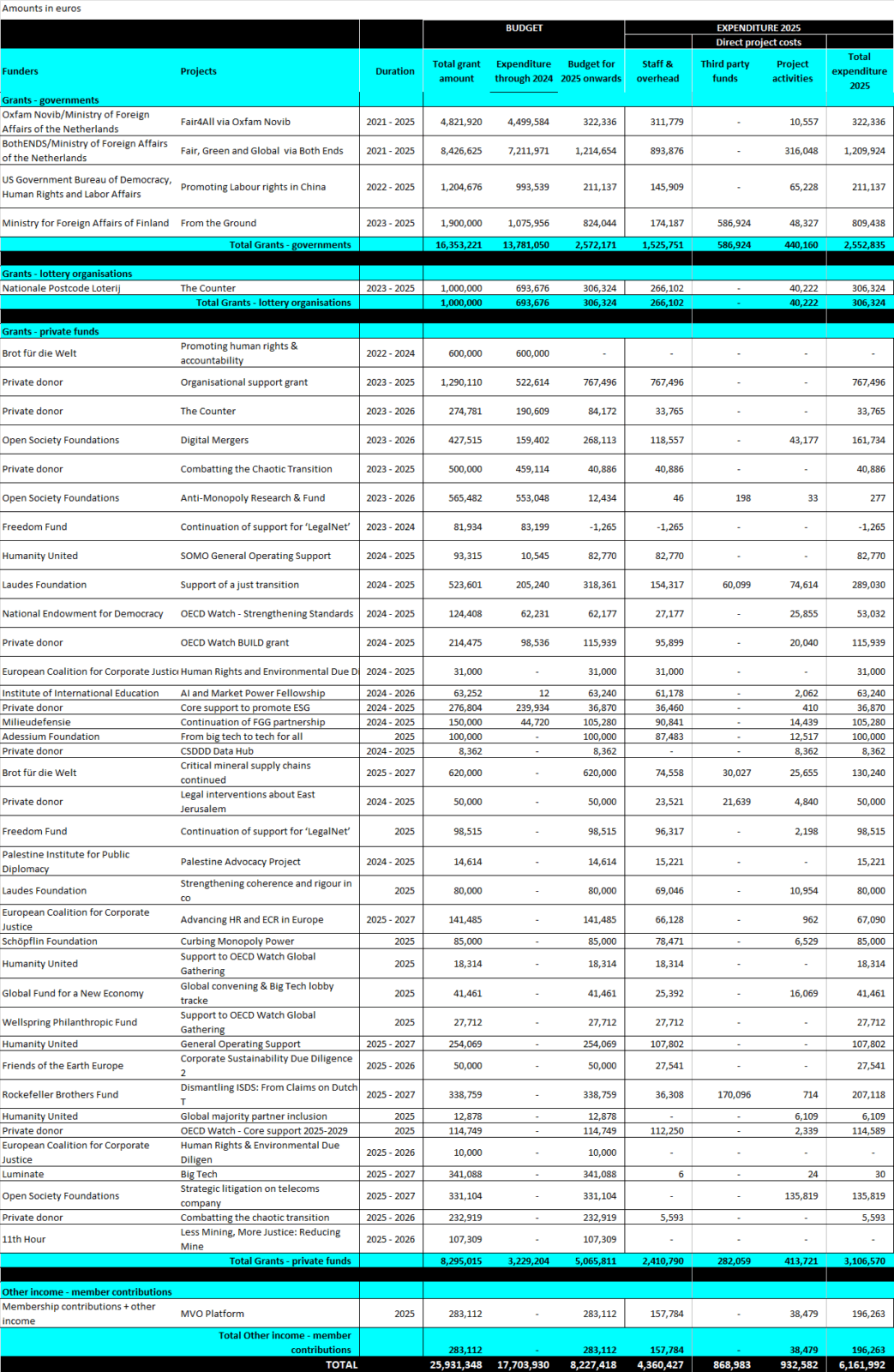

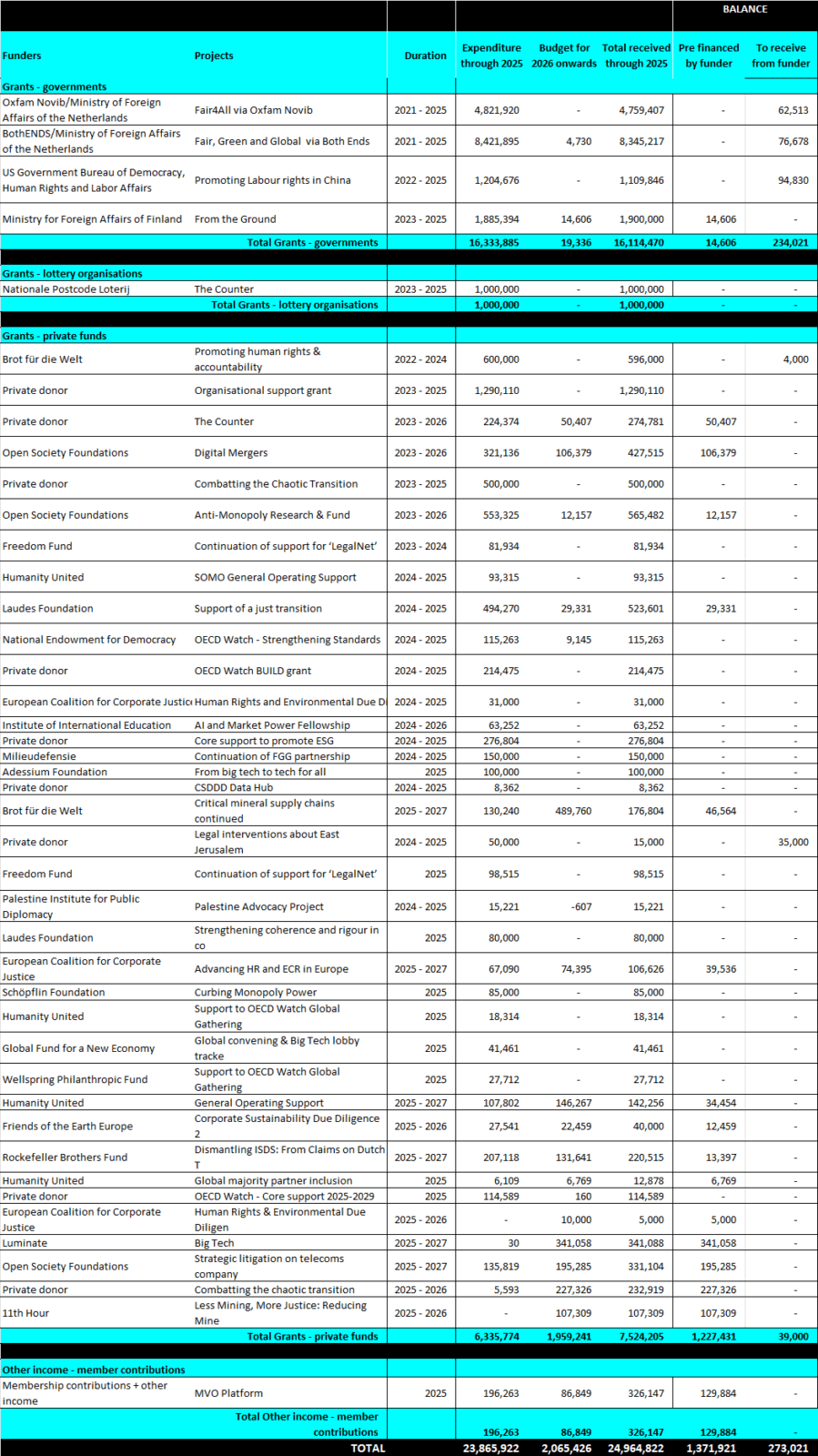

We have received additional funding for the following running grants in 2025:
Oxfam Novib/Ministry of Foreign Affairs of the Netherlands
Fair4All via Oxfam Novib EUR 82,590
Laudes Foundation
Support of a just transition EUR 40,000
Three grants ended with underspending; the grant amount was therefore reduced:
US Government Bureau of Democracy, Human Rights and Labor Affairs
Promoting Labour rights in China EUR -132,182
Private donor
Inst. Strengthening and core support EUR -227,778
Private donor
OECD Watch – Strengthening Standards EUR -106,993
Taxation on ordinary activities
Since the start of 2024, SOMO has not carried out commercial service assignments. Therefore, no Corporate Income Tax is due for 2025. However, a minor correction in our Corporate Income Tax return for 2022 was made in consultation with the tax authority. This amount of EUR 7,095 is included in the 2025 accounts.
SOMO’s VAT registration was cancelled in 2023. SOMO, therefore, pays VAT on all VAT-taxable purchases and cannot recover it.
Explanation of differences between realisation and budget 2025
Income
The income is higher than budgeted. We started the year with an amount to raise (included in the Other grants budget). Several new grants were raised exceeding this target. Others came to an end in 2025 and were not renewed, which will take its effect from 2026 onwards.
Expenditure
The main difference between realisation and the 2025 budget is the execution of more project activities than we had budgeted for, linked to new grant income (see above). Additional income from our fundraising activities allowed SOMO to execute more work than initially expected.
Personnel costs were lower than budgeted. In 2025, staff were reduced following a voluntary departure plan that was initiated in 2024 and took effect in 2025. Following the ending and non-renewal of several grants in 2025, another departure plan was developed in the last quarter of 2025. The costs for this plan are included in the staff costs in 2025.
The total amount of general expenditures was higher than budgeted. This is predominantly due to additional legal advice in 2025.
Other information
Subsequent events
The funding landscape has shifted significantly in recent years, with overall resources becoming more constrained and the number of applicants competing for available grants increasing markedly. This has resulted in a more selective and competitive environment, where even strong proposals face a higher likelihood of rejection. In this context, we regret that our pitch to extend our Nationale Postcode Loterij grant was unsuccessful.
This situation has material implications for our organisation’s financial planning and operational capacity. As a result, we will need to undertake a careful review of our staffing structure to ensure alignment with the resources currently available, and likely to be available in the future. This review process will be conducted over the course of 2026, with the aim of maintaining organisational sustainability while minimising disruption.
Appropriation of result 2025
The result after taxation in 2025 is EUR 53,189 positive (2024: EUR 318,005 positive).
EUR 386,003 is deposited in a reserve for strategic initiatives. EUR 225,000 is added to a new designated reserve for organisational restructure and EUR 80,000 was spent from the designated reserve for organisational strengthening on IT renewal process. This reserve is now depleted. The continuity reserve decreased in total by EUR 477,813 and amounts to EUR 480,909 at the end of 2025.
Independent auditor’s report





About SOMO
The Centre for Research on Multinational Corporations (SOMO) investigates the impacts and enablers of unjustified corporate power. Independent, factual, and critical, we have a clear goal – a fair and sustainable world in which public interests outweigh corporate interests.
Since our establishment in 1973, we have been dedicated to reshaping the economic framework by restraining corporate power and championing social equity.
Headquartered in Amsterdam, we work with hundreds of organisations worldwide, acting as a knowledge, research and communications hub.
SOMO’s Vision and Mission
We envision a global economic, political, and legal system that is equitable, democratic, transparent, and environmentally sustainable.
Organisation
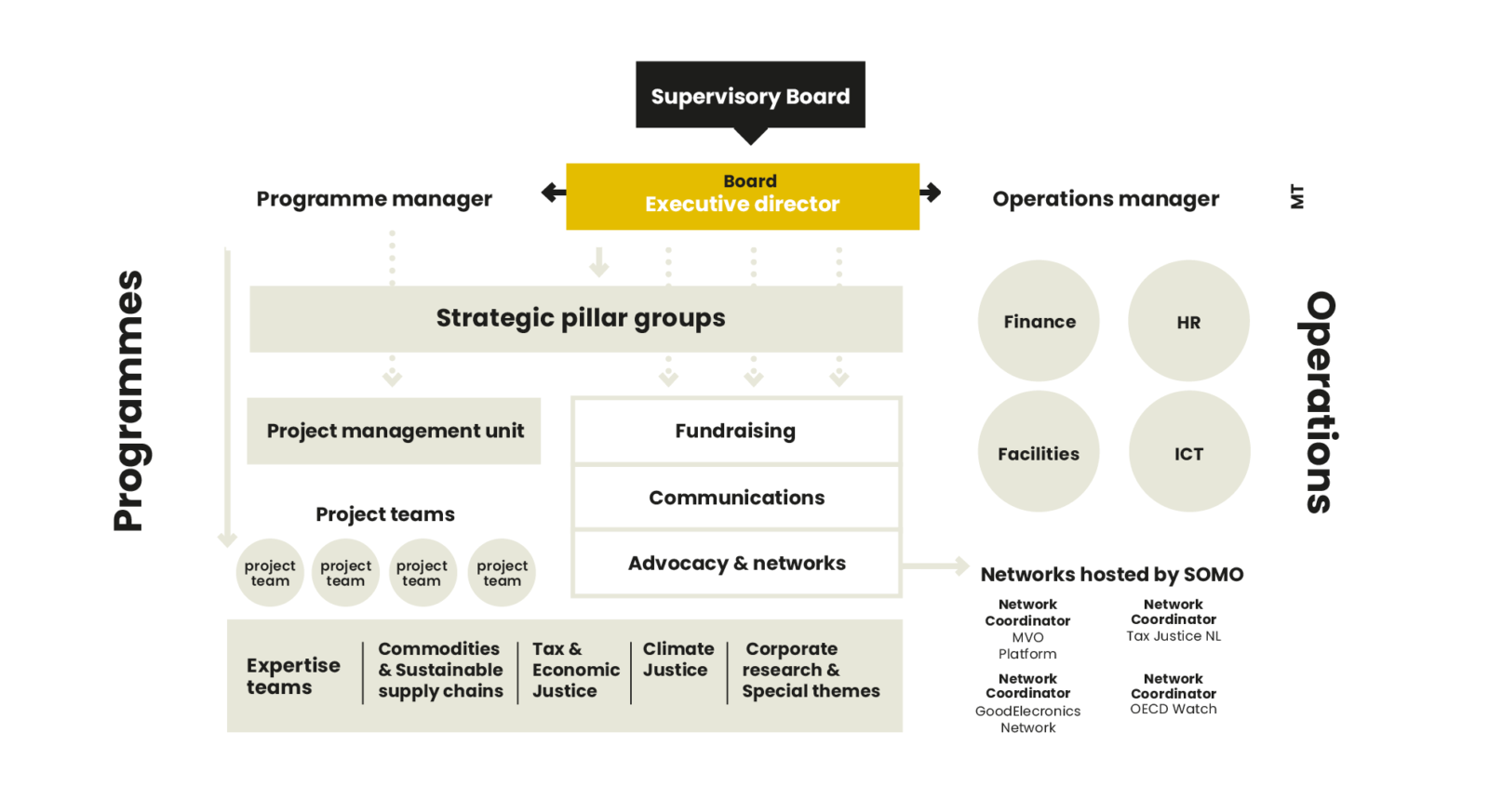

The outsized and harmful power of multinational companies and the structures that enable them to stand in the way. A shift in power balance is urgently needed. To address this, SOMO investigates multinationals: we expose their impact, their structures, and the systems they operate in. We develop alternatives and carry out advocacy work.
We do that as part of a civil society movement in deep collaborations and alliances with partners all over the world, always seeing our role as part of an ecosystem of stakeholders. We deliver the knowledge that fuels far-reaching change.
Statutory bodies